
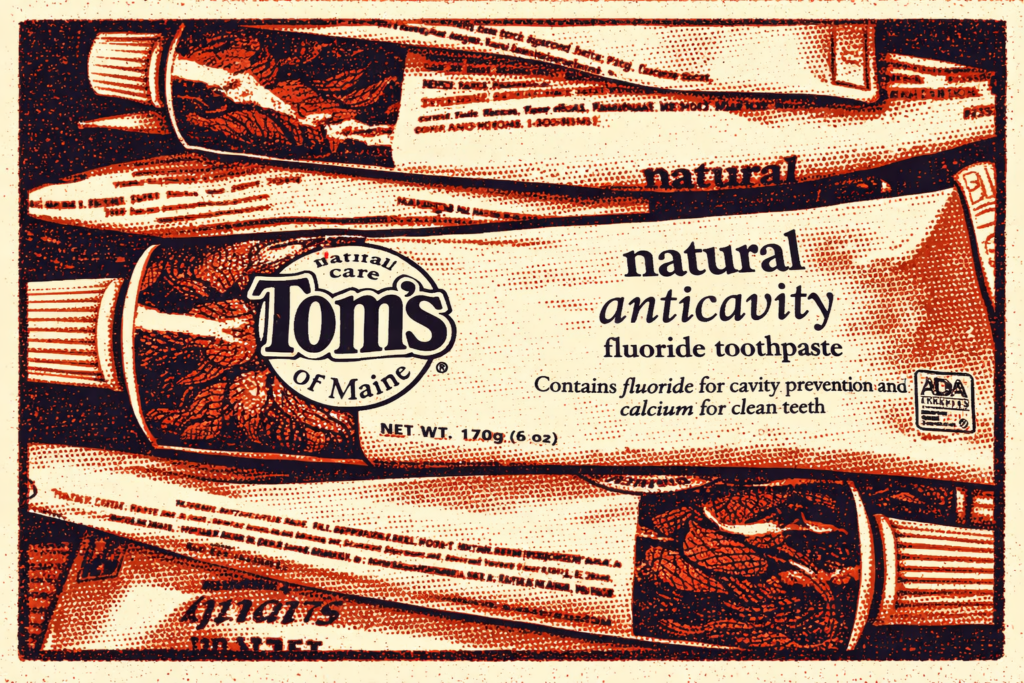
Tom’s Toothpaste Class-action Settlement. See How Much You’re Owed
A new class-action settlement has been reached involving Tom’s of Maine toothpaste, offering potential compensation to consumers who purchased certain products from the brand. The settlement stems from allegations that the company made misleading claims about the natural and fluoride content of its toothpaste products. Under the terms of the proposed settlement, eligible consumers may receive money or other compensation if they meet specific criteria and submit a valid claim by the deadline.
The lawsuit claims that Tom’s of Maine — a well-known personal care brand that markets its products as natural and environmentally friendly — falsely advertised some of its toothpaste products as being free from certain synthetic ingredients or containing specific natural components. Plaintiffs argued that these representations influenced purchasing decisions, as many consumers are willing to pay a premium for products perceived as healthier or more natural.
According to court documents, the class-action lawsuit was filed on behalf of individuals who bought the specified Tom’s of Maine toothpaste products within a certain timeframe. The plaintiffs asserted that the marketing and labeling did not align with the actual composition of the products, resulting in financial harm to consumers who believed they were buying something different than what was delivered.
After litigation progressed, the parties entered settlement negotiations. The proposed settlement resolves the claims without admission of wrongdoing by Tom’s of Maine or its parent company. Instead, the agreement provides for financial compensation and other relief to affected consumers while allowing the company to continue its business operations without further legal exposure on these claims.

Under the settlement terms, eligible class members may be entitled to reimbursement for part of the purchase price of the covered toothpaste products. To participate, consumers typically must submit a claim form demonstrating they bought the products during the qualifying period. The settlement notice outlines deadlines and instructions for submitting claims, as well as details about a court hearing to approve the settlement.
Legal experts note that class-action settlements like this one can provide meaningful relief to consumers while avoiding the uncertainty and expense of a trial. However, settlements also often include provisions that limit future claims against the company for the same issues. Therefore, consumers should review the settlement details carefully to understand their rights and the process for filing a claim.
Consumer advocacy groups have highlighted that cases involving product labeling and marketing claims are increasingly common, particularly in sectors where brands emphasize natural, organic, or eco-friendly attributes. These groups argue that truthful and transparent labeling is essential for informed consumer choice, and that legal action can help hold companies accountable when claims are misleading.
The Tom’s of Maine settlement comes at a time of heightened consumer awareness about product ingredients and corporate transparency. As shoppers become more attentive to what they put in and on their bodies, disputes over marketing practices are likely to continue. The outcome of this case could influence how companies advertise personal care products and how aggressively consumers and attorneys pursue similar claims.
The court will ultimately decide whether to approve the settlement at a fairness hearing, considering factors such as the adequacy of the compensation, the reasonableness of the settlement terms, and the fairness of the process. If approved, notices will be sent to class members with instructions on how to file claims and receive compensation. Eligible consumers are encouraged to review the official settlement notice and submit their claims before the deadline to participate in the relief.

⚖️ Key Legal Outcomes
- A class-action settlement has been reached in the lawsuit over Tom’s of Maine toothpaste labeling claims.
- The settlement offers potential compensation to consumers who purchased the covered products.
- Tom’s of Maine does not admit wrongdoing under the settlement terms.
- Eligible consumers must submit a claim by the deadline to receive compensation.
- A court fairness hearing will determine whether the settlement is approved.
📌 Why It Matters
- It reinforces consumer rights around product labeling and truthful marketing.
- It may lead to financial compensation for affected purchasers.
- The case could influence future marketing practices in the personal care industry.
- It highlights growing scrutiny of “natural” and ingredient-related claims by brands.
- It underscores the importance of legal accountability for advertising accuracy.
🧾 Who Is Eligible?
You may be eligible to file a claim if you meet all of the following:
• You purchased one or more Tom’s of Maine toothpaste products in the United States.
• The purchase occurred between November 21, 2020, and March 6, 2026.
• You bought the products for personal use, not for resale or distribution.
This includes toothpaste products sold at stores, online, or elsewhere during that period.
💰 How Much Could You Get?
Settlement payouts depend on whether you have proof of purchase:
📌 Without Proof of Purchase
If you don’t have a receipt or other documentation:
• You can still file a claim.
• You may receive a cash award equal to the average manufacturer’s suggested retail price (MSRP) for one Tom’s of Maine toothpaste product per household.
• The settlement administrator will use the average MSRP during the class period to calculate this amount.
📌 With Proof of Purchase
If you have a receipt, bank/credit card statement, or other documentation showing what you paid:
• You may be eligible for a full refund of the amount you spent on the covered toothpaste products.
• This refund is capped at up to three products per household.
