
Trump Administration Seeks Pause on Tariff Court Ruling
The Trump administration has asked a federal appeals court to pause a ruling that struck down one of its major tariff policies, escalating a growing legal battle over presidential authority, trade policy, and the constitutional limits of executive power.
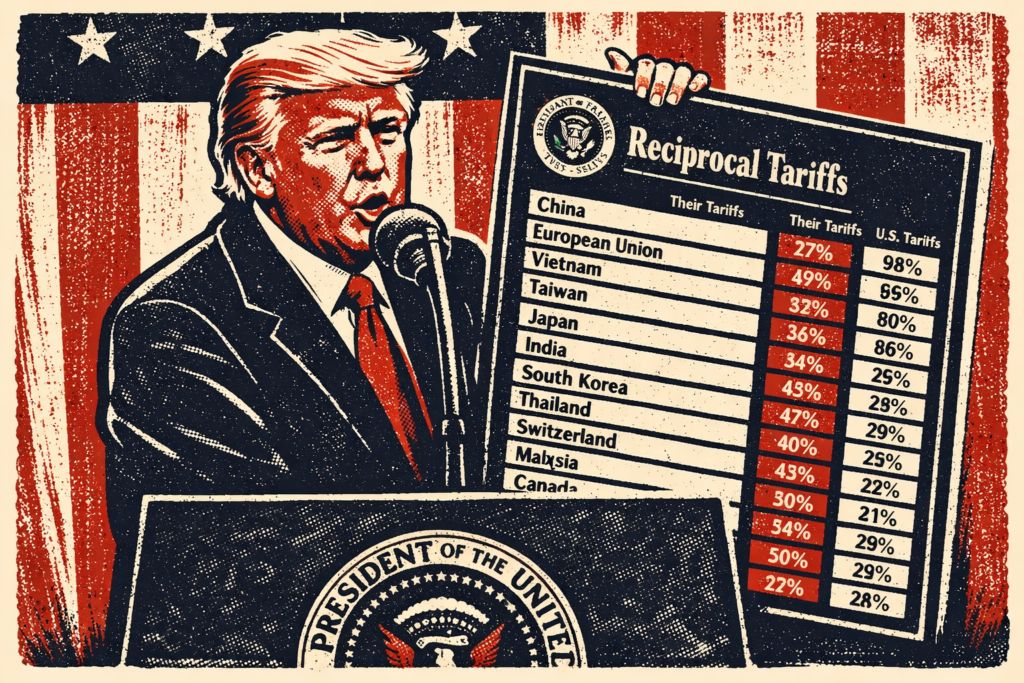
The dispute centers on the administration’s sweeping 10% global tariff program, which had been imposed as part of Donald Trump’s broader economic and trade agenda during his second term. The tariffs affected a wide range of imported goods and were justified by the administration under emergency economic authorities. However, federal courts recently ruled against the policy, finding that the administration exceeded its legal authority in imposing the tariffs without congressional approval.
On Monday, the administration formally requested that the court pause the adverse ruling while the government pursues an appeal. The request seeks to keep the tariffs in place during the appeals process, allowing the government to continue collecting duties on imported products as the litigation moves forward.
At the center of the legal conflict is the scope of presidential power under federal trade laws, particularly statutes such as the International Emergency Economic Powers Act (IEEPA) and Section 122 of the Trade Act of 1974. Courts have increasingly questioned whether those laws authorize a president to impose broad, global tariffs without explicit action from Congress.
The legal challenge follows earlier judicial setbacks for Trump’s tariff policies. In February 2026, the Supreme Court of the United States ruled that IEEPA did not grant the president authority to impose tariffs in the expansive manner used by the administration. The court emphasized that the Constitution gives Congress—not the president—the power to levy taxes and tariffs.
After that ruling, the administration attempted to rely on other statutory authorities to continue implementing global tariffs. One of those efforts involved Section 122 of the Trade Act of 1974, which allows temporary trade restrictions under limited circumstances involving international balance-of-payments concerns. However, a federal trade court later ruled that the administration’s revised tariff strategy was also unauthorized by law.
The administration’s new request for a stay is therefore part of a broader effort to preserve its trade policies while appellate courts reconsider the legality of the tariffs. Government lawyers argue that immediately halting the tariffs could disrupt trade negotiations, economic policy, and ongoing federal revenue collection. They also contend that maintaining the tariffs temporarily would prevent confusion and instability while the appeal proceeds.

Opponents of the tariffs—including businesses, states, and trade organizations—argue that the administration has repeatedly attempted to bypass constitutional and statutory limits on executive power. Several companies and industry groups have filed lawsuits claiming the tariffs caused significant financial harm by increasing import costs, disrupting supply chains, and forcing price increases on consumers.
Critics also argue that the administration’s legal strategy reflects an increasingly expansive view of presidential authority. Courts reviewing the cases have expressed concern that accepting the administration’s interpretation could dramatically enlarge executive power over taxation and trade—areas traditionally reserved for Congress under the Constitution.
The legal fight has broader economic implications as well. Trump’s tariff policies have played a central role in ongoing global trade disputes and have affected industries ranging from manufacturing and retail to agriculture and technology. Businesses importing goods into the United States have faced billions of dollars in additional costs under the tariff regime. Some companies, including major corporations, have pursued legal action seeking refunds for tariffs already paid.
Legal experts say the appeals process could ultimately reshape the balance of power between Congress and the presidency in economic policymaking. If courts continue limiting the administration’s tariff authority, future presidents may face stricter limits on using emergency powers to implement large-scale trade policies without legislative approval.
The case also reflects the growing role of the judiciary in reviewing major executive actions during Trump’s second term. Courts across the country have increasingly become battlegrounds for disputes involving immigration, trade, federal agencies, and executive authority.
For now, the administration’s request seeks only temporary relief while the appeals process unfolds. But the outcome could have lasting consequences not only for U.S. trade policy, but also for constitutional interpretations of executive power in future administrations.
Ultimately, the dispute highlights a central constitutional question: how much unilateral authority a president possesses to reshape economic policy without direct authorization from Congress. As appellate courts continue reviewing the case, the decision could become one of the most significant legal rulings on presidential trade powers in modern American history.

⚖️ Key Legal Outcomes
- Trump administration asked a federal court to pause a ruling blocking its global tariff policy.
- Courts previously ruled the administration exceeded authority under IEEPA and trade laws.
- Supreme Court of the United States previously held that tariff authority belongs primarily to Congress.
- Businesses and states continue challenging tariffs as unconstitutional and economically harmful.
- Appeals process could redefine limits of presidential economic and trade authority.
📌 Why It Matters
- Could significantly affect the balance of power between Congress and the presidency.
- Impacts global trade, import costs, and U.S. economic policy.
- May influence how future presidents use emergency powers in economic matters.
- Businesses face uncertainty over tariffs, refunds, and supply chain costs.
- Represents another major legal challenge to Trump administration executive actions.
