
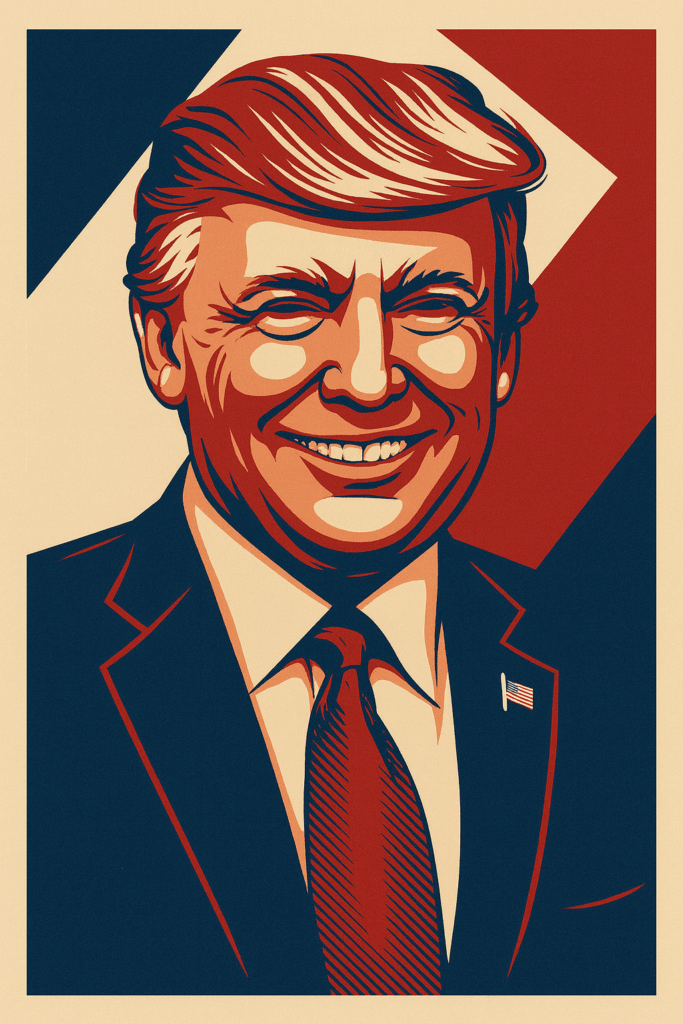
Trump Calls For Jailing Democratic Leaders
On October 8, 2025, Donald Trump publicly called for the imprisonment of Brandon Johnson (Mayor of Chicago) and J.B. Pritzker (Governor of Illinois) for allegedly failing to protect federal immigration officers, even though neither is formally charged with any crime.
At the same time, about 500 National Guard troops — 200 from Texas and 300 from Illinois — are being stationed in and around Chicago, under federal orders to protect federal personnel and property (not necessarily to engage in general street policing).
The deployment follows a pattern of the Trump administration sending federal or National Guard forces to Democratic-run cities (e.g., Portland, Los Angeles) over local objections. Chicago officials have strongly opposed the move, filing lawsuits to challenge the constitutionality of using troops in their jurisdiction without consent.
In social-media posts, Trump explicitly declared: “Chicago Mayor should be in jail for failing to protect ICE officers! Governor Pritzker also!”

Mayor Johnson responded that this was another attempt to target a Black man unjustly, and Governor Pritzker framed the demands as part of an “authoritarian march” against elected officials who check presidential power.
Meanwhile, legal challenges are underway: Illinois has asked a federal court to block the Guard deployment. One judge has allowed the deployment to proceed for now, though another judge in a similar case in Portland has blocked it pending further review.
A recent Reuters/Ipsos poll found that a majority of Americans oppose deploying troops domestically without an external “war” threat.
Together, the combination of explicit threats to jail local leaders + federal troop deployment has triggered serious concerns about democratic norms, separation of powers, and use of military force in U.S. cities.

Why It Matters
-
Targeting elected officials — The call to imprison state & local leaders without criminal charges marks a sharp escalation in rhetoric and challenges norms of prosecutorial independence and separation of powers.
-
Militarization of civil space — Deploying National Guard troops into major U.S. cities for immigration enforcement raises questions about domestic military use, Posse Comitatus limits, and federal vs. state authority.
-
Federalism under strain — The dispute highlights tension between federal power (immigration enforcement, federal property protection) and state/local autonomy (law enforcement, public safety).
-
Precedent & democratic norms — Public calls for jailing political opponents + deploying troops may erode institutional checks (courts, local governments) and democratic guardrails.
-
Legal & political fallout ahead of 2026 elections — The use of force, lawsuits, and high-profile conflict may influence voter sentiment, civil liberties debate, and power dynamics in battleground states.
Key Legal / Institutional Outcomes
-
Formal lawsuits by Illinois and Chicago challenging the constitutionality of federal National Guard deployment without state approval. AP News
-
Judicial review of whether the deployment is being used solely for protection of federal personnel/property, or whether it crosses into broader law enforcement or crowd control roles.
-
Evaluation of whether rhetoric calling for jailing elected officials constitutes misuse of the Justice Department, or signals future initiatives against political opponents.
-
Potential clarifications in law regarding when and how National Guard troops can be used in domestic operations, especially across states.
-
Impact on future deployment strategy: whether courts will impose limits or guidelines on similar domestic troop moves & federalization of Guard.
Publication Info & Live Link
- “Trump calls for jailing Democratic leaders as troops prepare for Chicago deployment” — Reuters, published October 8, 2025. Reuters+1
