
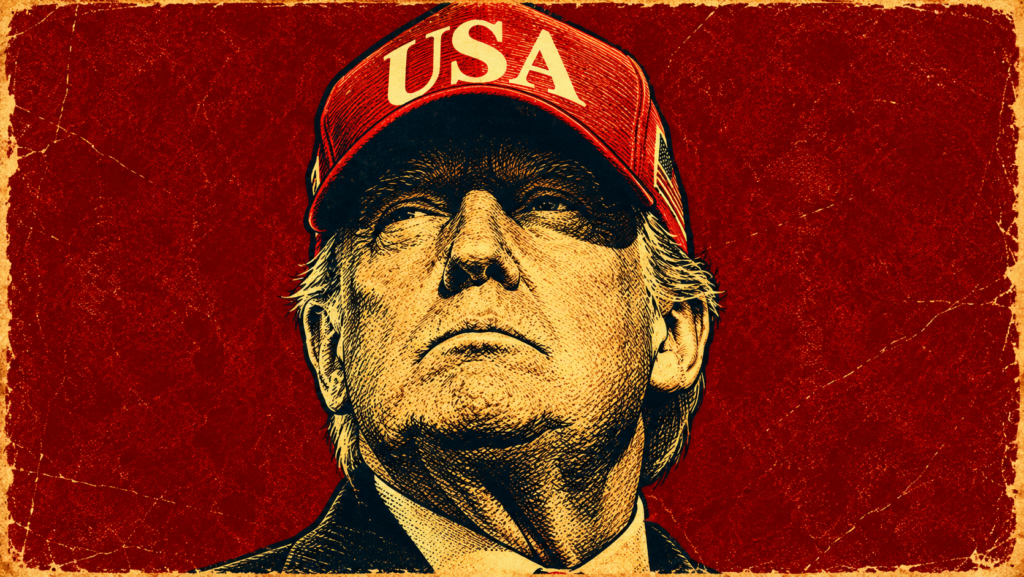
Trump Faces Legal Battle Over Midterm Voting Rules
A growing coalition of legal veterans and civil-rights organizations is mounting an aggressive court fight against President Donald Trump’s efforts to reshape U.S. elections, warning that his administration’s executive actions could weaken voting protections and undermine the rule of law ahead of the 2026 midterms. The campaign brings together groups including the Democracy Defenders Fund, Campaign Legal Center and ACLU, along with former judges and former Justice Department officials.
The legal groups have filed hundreds of cases challenging Trump administration policies they argue exceed presidential authority. Their focus includes executive orders affecting mail-in voting, election administration and the role of the federal government in elections. According to the Guardian, the broader legal resistance involves more than 300 cases concerning election integrity and government overreach.
One major battle concerns Trump’s attempts to restrict mail-in voting. A federal judge has issued a permanent injunction blocking one of the administration’s election-related orders after finding that the policy could disenfranchise voters. The Justice Department has appealed, taking the dispute toward the Supreme Court.
The administration argues that its election measures are designed to strengthen election security and prevent fraud. Critics, however, contend that the president is attempting to exert excessive federal control over elections, which are traditionally administered largely by states. They argue that restrictions on voting access could disproportionately affect eligible voters who rely on mail ballots or face difficulties meeting new requirements.

The legal resistance is notable because it extends beyond traditional partisan organizations. Former judges, bipartisan legal coalitions and former Justice Department lawyers have joined efforts to challenge what they view as unconstitutional expansions of executive power. Their involvement underscores the seriousness with which some members of the legal establishment view the administration’s election policies.
The timing is particularly significant. The November 2026 midterm elections will determine control of Congress, and voting rules are already becoming a major political battleground. Republicans currently hold congressional majorities, while Democrats are seeking to capitalize on voter concerns about Trump’s presidency. The outcome of ongoing lawsuits could therefore affect not only election administration but also the practical ability of voters to participate.
The fight over mail voting has already reached the Supreme Court. The Trump administration has renewed its request for the justices to lift an injunction blocking changes to how the U.S. Postal Service handles ballots. The administration argues that leaving the injunction in place could create confusion as ballots are prepared and mailed, while opponents say the restrictions would improperly interfere with voting rights.
The broader dispute raises fundamental constitutional questions about the separation of powers, federalism and presidential authority over elections. It also illustrates how courts have become a central arena for resolving disputes over voting rights during Trump’s second administration.
With the midterms approaching, the legal battles are likely to intensify. Decisions from federal appeals courts and potentially the Supreme Court could determine which election rules remain in place when Americans head to the polls.

⚖️ Key Legal & Political Outcome
- Legal advocacy groups are challenging Trump’s election-related executive orders in more than 300 cases.
- A federal judge permanently blocked at least one administration order after finding it could disenfranchise voters.
- The Justice Department is appealing the ruling, potentially bringing the dispute before the Supreme Court.
- Major legal groups, former judges and former DOJ officials have joined the broader resistance.
- The legal battles could directly affect voting rules ahead of the November 2026 midterms.
📌 Why It Matters
- The cases could determine how much power the president has over federal election procedures.
- Restrictions on mail voting could affect millions of Americans who rely on absentee or mail ballots.
- Court rulings may shape election administration nationwide before the midterms.
- The disputes raise fundamental questions about voting rights and the rule of law.
- The outcome could influence the balance of power in Congress and the future of U.S. election policy.
