
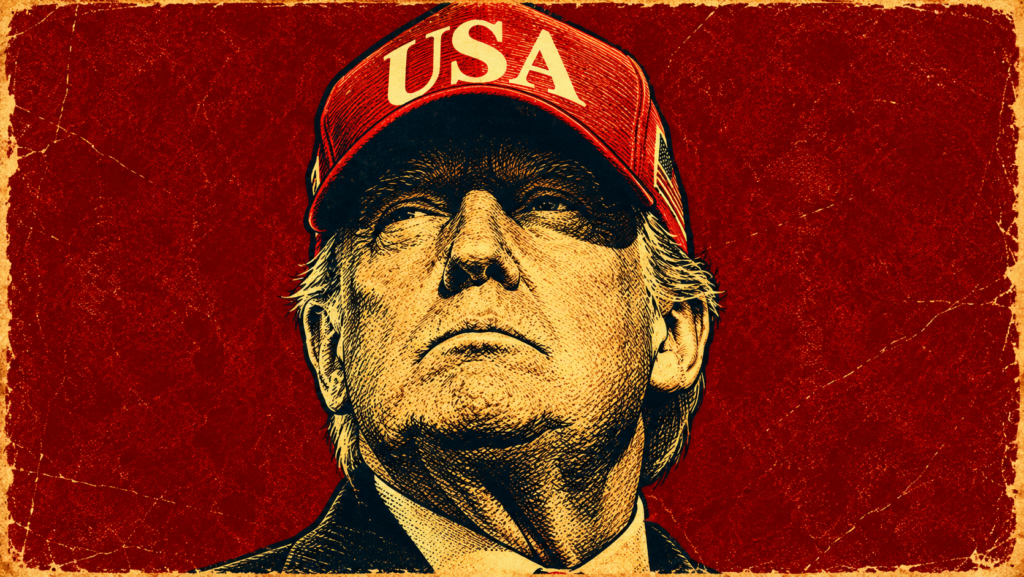
Trump Grants Clemency to Dozens With Fraud-Related Convictions
President Donald Trump has granted pardons or commuted sentences for dozens of people whose federal cases included fraud-related offenses since returning to the White House in January 2025. The cases span securities fraud, wire fraud, bank fraud, health care fraud, honest-services fraud, tax-related offenses and conspiracies to defraud the United States. The Department of Justice’s Office of the Pardon Attorney maintains the official public record of these clemency grants, including the recipient’s name, conviction district, sentence and offenses listed on the warrant. The agency’s clemency database was updated September 9, 2026.
The group includes prominent business figures, former public officials and people involved in large financial schemes. Among the most recognizable names are former Illinois Gov. Rod Blagojevich, former Tennessee state senator Brian Kelsey, former Nevada politician Michele Fiore, former Virginia sheriff Scott Jenkins, former Connecticut Gov. John Rowland, former congressman Michael Grimm and former congressman Stephen Buyer. Their cases involved different offenses, and the DOJ records should be consulted for the precise charges and sentences rather than treating the cases as identical.
One of the earliest major fraud-related clemency grants of Trump’s second term went to Rod Blagojevich, who received a pardon on February 10, 2025. His DOJ-listed offenses included eight counts of wire fraud under color of official right, along with conspiracy, attempted extortion, solicitation of bribes and making false statements. Brian Kelsey received a pardon the following month for a case involving conspiracy to defraud the United States and aiding and abetting the acceptance of excessive contributions.
The business cases have also attracted attention. Trevor Milton, founder of Nikola Corp., received a pardon on March 27, 2025. His federal warrant listed securities fraud and two counts of wire fraud. Devon Archer received a pardon on March 25 for conspiracy to commit securities fraud and securities fraud. Jason Galanis, Ozy Media Inc. and Carlos Roy Watson received commutations on March 28 in cases involving securities fraud and wire fraud. Galanis’ record also included investment-adviser fraud, while Watson’s included aggravated identity theft.
Another notable group includes Julie and Todd Chrisley, the reality television personalities who were convicted in a federal financial-crime case. Both received pardons on May 28, 2025. Julie Chrisley’s DOJ-listed offenses included conspiracy to commit bank fraud, five counts of bank fraud, wire fraud, conspiracy to defraud the United States, tax evasion and obstruction of justice. Todd Chrisley’s offenses included conspiracy to commit bank fraud, five counts of bank fraud, conspiracy to defraud the United States and tax evasion.

The same May 28 clemency action included Lawrence S. Duran, whose case stands out because of the length of his original sentence. Duran had received a 50-year federal sentence after convictions involving conspiracy to commit health care fraud, 11 counts of health care fraud, health care kickback-related offenses, money laundering and structuring financial transactions to avoid reporting requirements. Trump granted him a pardon. The clemency record also lists Marian I. Morgan, who had been sentenced to more than 33 years for conspiracy to defraud the United States, wire fraud, transferring funds taken by fraud, money laundering and false income-tax returns.
Other recipients include former officials and people convicted in public-corruption or financial cases. Michele Fiore received a pardon on April 23, 2025, for conspiracy to commit wire fraud and six counts of wire fraud. Scott Jenkins received a pardon on May 27 for offenses including honest-services mail fraud, honest-services wire fraud and bribery. John Rowland received a pardon on May 28 for a conspiracy to defraud the United States and a separate case involving falsification of records, false statements and illegal campaign contributions. Michael Grimm, a former congressman, was also among the recipients whose federal case involved false or fraudulent tax returns.
The clemency list continued to grow later in 2025 and 2026. George Santos, the former New York congressman, had his 87-month federal sentence commuted on October 17, 2025. His conviction involved wire fraud and aggravated identity theft. Glen Casada and Cade Cothren received pardons on November 7, 2025, in cases involving conspiracy to defraud the United States, honest-services wire fraud, fictitious names used in connection with fraud and money laundering. Joseph Lewis and David Gentile also received clemency in securities- and wire-fraud cases.
In January 2026, the clemency records added several more names connected to financial crimes. Adriana Isabel Camberos and Andres Enrique Camberos received pardons in a case involving conspiracy to commit wire and mail fraud and seven counts of wire fraud and aiding and abetting. David Levy received a pardon for conspiracy to commit securities fraud and securities fraud. Hollie Ann Nadel received a pardon for conspiracy to commit money laundering and bank fraud. Terren Scott Peizer was pardoned in a case involving securities fraud and insider trading. Julio M. Herrera Velutini, Mark T. Rossini and Wanda Vazquez Garced also received pardons, although their warrants were later amended to identify foreign-national campaign contributions as the listed offense.
The list also includes Stephen Buyer, who received a pardon on June 4, 2026, after being sentenced for four counts of securities fraud. In July, Joshua L. Davis, Matthew Sidney Geouge and Adam R. Kidan received pardons. Davis and Geouge were convicted in cases involving conspiracies to defraud the United States connected to Clean Air Act violations, while Kidan’s warrant listed conspiracy to commit wire and mail fraud and wire fraud. On September 3, 2026, John Dougherty received a pardon in a case that included 24 counts of wire fraud and seven counts of honest-services wire fraud, along with embezzlement, falsification and bribery-related offenses. Spade K. Bailly also received a pardon for a conspiracy to defraud the United States and violate the Clean Air Act.
Taken together, the names appearing in the fraud-related compilation include Todd Chrisley, Julie Chrisley, Trevor Milton, Lawrence S. Duran, George Anthony Devolder Santos, Rod R. Blagojevich, Brian Kelsey, Devon Archer, Jason Galanis, Carlos Roy Watson, Ozy Media Inc., Michele Fiore, Scott Howard Jenkins, Michael Gerard Grimm, Marian I. Morgan, John G. Rowland, Charles Overton Scott, Glen Casada, Cade Cothren, Robert Henry Harshbarger Jr., Joseph Lewis, David Gentile, Jacob Deutsch, Adriana Isabel Camberos, Andres Enrique Camberos, Julio M. Herrera Velutini, David Levy, Hollie Ann Nadel, Mark T. Rossini, Wanda Vazquez Garced, Terren Scott Peizer, Timothy S. Smith, Stephen E. Buyer, John Dougherty, Joshua L. Davis, Matthew Sidney Geouge, Adam R. Kidan and Spade K. Bailly. The DOJ records show that their offenses vary considerably, meaning the term “fraud-related” covers several different categories of federal offenses rather than one uniform crime.
Presidential clemency can take two principal forms represented in these records: a pardon and a commutation. A pardon is an exercise of executive clemency that forgives the federal offense, while a commutation reduces or ends a sentence without functioning as a pardon. The DOJ notes that presidential clemency grants are public records and publishes the recipient’s name, district, sentencing information, offense and date of presidential action. The records therefore provide a detailed public trail of the cases affected by Trump’s clemency decisions.
The collection of cases illustrates the wide range of offenses for which Trump has exercised his clemency authority during his second term. The recipients include people convicted of financial crimes involving investors, banks, government programs, taxes and public institutions, as well as cases combining fraud with other offenses. Because the DOJ database records each case according to the offenses on the individual warrants, the exact number of people who can be described as having “fraud convictions” depends on the criteria used to classify the cases. The underlying names, dates and offenses, however, are publicly documented in the federal clemency record.

Key Legal Outcome
- Trump exercised his constitutional clemency authority in dozens of cases involving fraud-related federal convictions and offenses.
- The clemency actions included both full pardons and sentence commutations, depending on the individual case.
- Several recipients had convictions involving securities fraud, wire fraud, bank fraud, health care fraud or conspiracies to defraud the United States.
- Some recipients had received lengthy federal sentences, including Lawrence S. Duran, who had been sentenced to 50 years.
- The DOJ’s official clemency database provides the underlying names, dates, districts, sentences and offenses for the recipients.
Why It Matters
- Presidential clemency can substantially change the legal consequences of a federal conviction.
- The cases cover a broad range of financial and public-integrity offenses rather than a single type of fraud.
- Some recipients were prominent business figures or former public officials, bringing additional public attention to the decisions.
- The official DOJ records allow the public to examine each clemency action individually rather than relying only on aggregate totals.
- The distinction between pardons and commutations is important when evaluating what legal consequences remain after clemency.
