
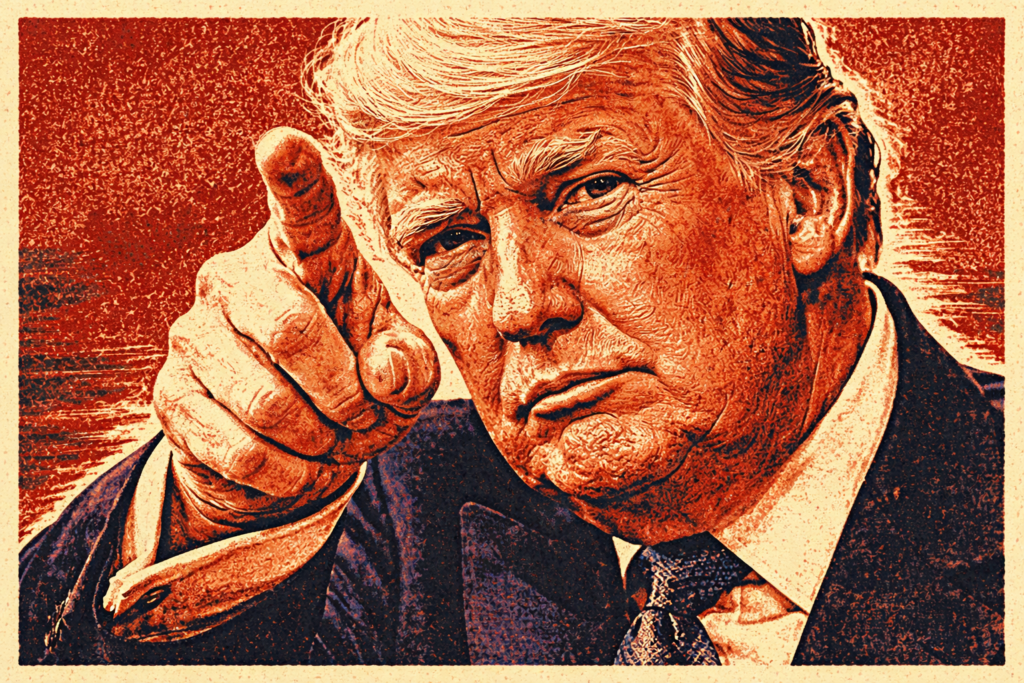
Trump Pardons Six Federal Pollution Offenders
President Donald Trump announced that he will grant pardons to six individuals convicted of federal pollution-related crimes, arguing that they were unfairly prosecuted for modifying vehicles rather than engaging in serious environmental wrongdoing. The announcement, made during a White House event, has reignited debate over the scope of presidential clemency and federal enforcement of environmental laws.
According to Trump, the six individuals were prosecuted for what he described as “fixing their car,” referring to modifications made to diesel trucks and other vehicles that allegedly violated the federal Clean Air Act. He criticized the prosecutions as excessive and maintained that the offenders were being punished for mechanical work rather than conduct deserving of criminal sanctions.
The individuals reportedly were convicted of offenses involving the illegal removal or disabling of vehicle emissions-control systems, commonly known as “rolling coal” or emissions tampering. Federal law prohibits altering or removing pollution-control equipment because doing so can significantly increase emissions of harmful pollutants, including nitrogen oxides and particulate matter. Environmental regulators have long argued that such modifications undermine public health protections established under the Clean Air Act.
Trump said he intends to use his constitutional pardon authority to erase the federal convictions, describing the prosecutions as examples of government overreach. The U.S. Constitution grants the president broad authority to issue pardons for federal criminal offenses, allowing convictions to be forgiven and restoring certain civil rights to recipients. However, a presidential pardon does not erase the historical record of a conviction or affect any civil liability that may remain.
Supporters of Trump’s decision argue that federal environmental enforcement has sometimes imposed harsh criminal penalties on small business owners, mechanics, and vehicle enthusiasts for conduct they believe should instead be addressed through civil fines or regulatory action. They contend that criminal prosecutions should be reserved for the most serious environmental violations involving intentional pollution or substantial harm.

Environmental advocates, however, have criticized the planned pardons, warning that weakening enforcement of emissions laws could encourage illegal vehicle modifications and undermine decades of efforts to improve air quality. They argue that emissions-control systems are essential for reducing pollution linked to respiratory illnesses, heart disease, and environmental degradation.
The announcement is the latest example of Trump’s willingness to use executive clemency in cases involving regulatory and business-related crimes. During his presidency, he has frequently argued that federal agencies have overreached in enforcing environmental, financial, and administrative regulations, and he has used pardons to challenge what he views as excessive prosecutions.
Legal experts note that the president’s pardon power is among the broadest authorities granted under the Constitution and is generally not subject to judicial review. Once a pardon is formally issued, it eliminates the remaining criminal penalties associated with the federal conviction, although it does not invalidate the underlying law or prevent future enforcement against others accused of similar conduct.
The decision may also carry broader policy implications for environmental enforcement. Critics worry that pardoning pollution offenders could weaken deterrence and signal reduced federal commitment to enforcing emissions regulations. Supporters counter that the move promotes fairness by preventing what they see as disproportionate punishment for regulatory offenses.
Although Trump announced his intention to issue the pardons, the formal clemency documents are expected to be processed through the Office of the Pardon Attorney before becoming official. Once completed, the six recipients will receive full presidential pardons for their federal convictions.

Key Legal Outcomes
- President Donald Trump announced plans to pardon six federal pollution offenders.
- The individuals were convicted of crimes related to illegal vehicle emissions modifications.
- Trump argued the prosecutions unfairly targeted people for modifying their vehicles.
- The pardons will forgive the recipients’ federal criminal convictions once formally issued.
- The action relies on the president’s constitutional clemency authority.
Why It Matters
- The move highlights the broad constitutional power of presidential pardons.
- It could influence future debates over federal environmental enforcement.
- The pardons may affect perceptions of how pollution-related crimes are prosecuted.
- The decision reflects the Trump administration’s criticism of regulatory enforcement.
- It underscores the tension between environmental protection and regulatory reform.
