
Two Photographers are in Court Over Miniature Figurines on Fruit
A legal dispute between two photographers over highly conceptual food photography has escalated into a courtroom battle, raising new questions about originality, artistic expression, and copyright boundaries in visual art.
The case involves images featuring miniature figurines staged on real fruit—specifically papayas and bananas—creating surreal scenes where tiny human-like figures appear to interact with food landscapes. The style is part of a broader niche in photography that blends miniature models with everyday objects to create imaginative, narrative-driven visuals.
The dispute was initiated by fine art photographer Christopher Boffoli, known for his long-running series Big Appetites, which features miniature figurines placed in food-based environments such as fruits, pastries, and other edible settings. His work has been widely published and is considered one of the most recognizable examples of this genre.
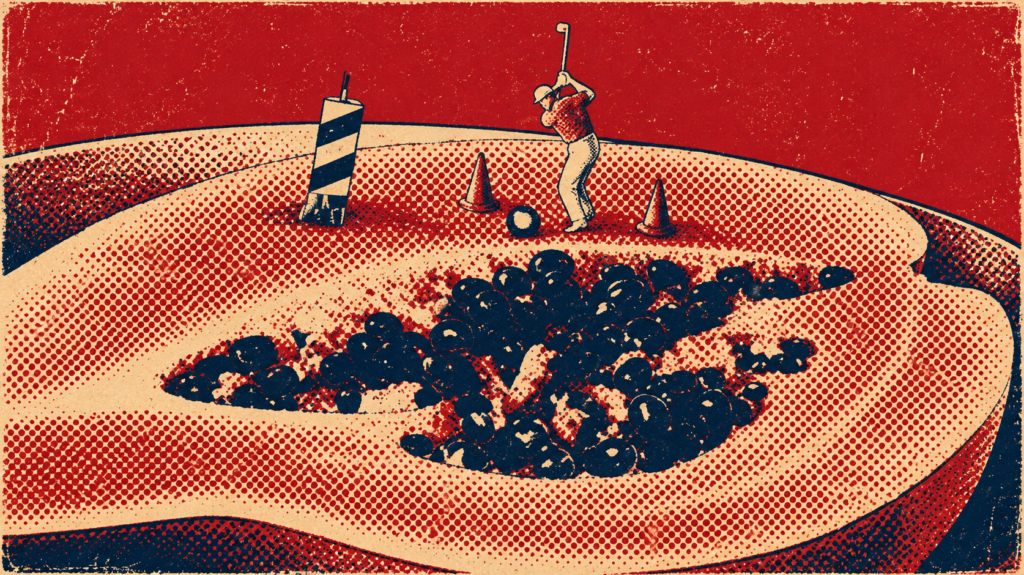
Boffoli alleges that another photographer, Laurie McCormick, copied elements of his compositions after producing similar works featuring miniature cyclists on bananas and miniature golfers on papayas. According to the lawsuit, McCormick’s images are not merely inspired by the same concept but allegedly replicate key expressive elements, including composition style, subject placement, and thematic execution.
The case has already produced mixed legal outcomes at an early stage. A federal court reviewed whether the images were substantially similar enough to constitute copyright infringement. The court found that some of the banana-themed photographs did not meet the legal threshold for infringement because they shared only a general idea—“miniature figures interacting with fruit”—rather than protected expressive details.
In one comparison cited by the court, differences in framing, lighting, background color, and scene composition were enough to distinguish the works legally. One photographer’s banana scene used a wide-angle composition with multiple cyclists and a bright background, while the other used a tighter frame with a darker tone and fewer subjects. The court concluded that these differences reflected independent artistic choices rather than copying.

However, not all claims were dismissed. The court allowed the portion of the lawsuit involving the papaya-themed images to proceed. Judges determined that these works contained stronger similarities in expressive detail, such as a miniature golfer positioned near papaya seeds arranged to resemble a golf course. The court noted that while artistic concepts cannot be copyrighted, the specific arrangement and execution of those concepts can be protected.
This distinction—between “idea” and “expression”—is central to copyright law and is often difficult to apply in visual arts. Courts must determine whether similarities stem from shared creative concepts or from actual copying of protected artistic decisions. In this case, the papaya images were deemed close enough in expression to justify further legal examination.
The case also highlights broader tensions in contemporary photography, especially in niche creative genres where artists often explore similar themes independently. Miniature-world photography, food staging, and surreal composition techniques are widely practiced, making originality disputes increasingly common.
Legal experts note that cases like this are difficult because artistic ideas such as “tiny people interacting with food” are not protectable, but the specific way those ideas are executed—camera angle, subject arrangement, lighting, and storytelling elements—can be.
The outcome of the ongoing trial could influence how courts evaluate originality in conceptual photography. A ruling in favor of the plaintiff could strengthen protections for highly stylized visual series, while a ruling for the defendant could reaffirm the broad creative freedom to explore shared artistic concepts.
Ultimately, the case reflects a growing legal challenge in modern photography: distinguishing between inspiration and infringement in an era where niche visual styles spread rapidly across social media and global art communities.

⚖️ Key Legal Outcomes
- Photographer Christopher Boffoli filed a copyright infringement lawsuit over miniature food photography.
- Court ruled banana-themed images were not substantially similar enough to infringe.
- Papaya-themed images were allowed to proceed in court for further review.
- Key legal issue centers on idea vs. expression in copyright law.
- Case remains ongoing and could set precedent for conceptual photography disputes.
📌 Why It Matters
- Clarifies boundaries between artistic inspiration and copyright infringement.
- Impacts niche genres like miniature and conceptual food photography.
- Reinforces the legal rule that ideas cannot be copyrighted, only expression can.
- Could influence future disputes in social media-driven visual art trends.
- Highlights growing legal friction in highly stylized creative photography markets.
