
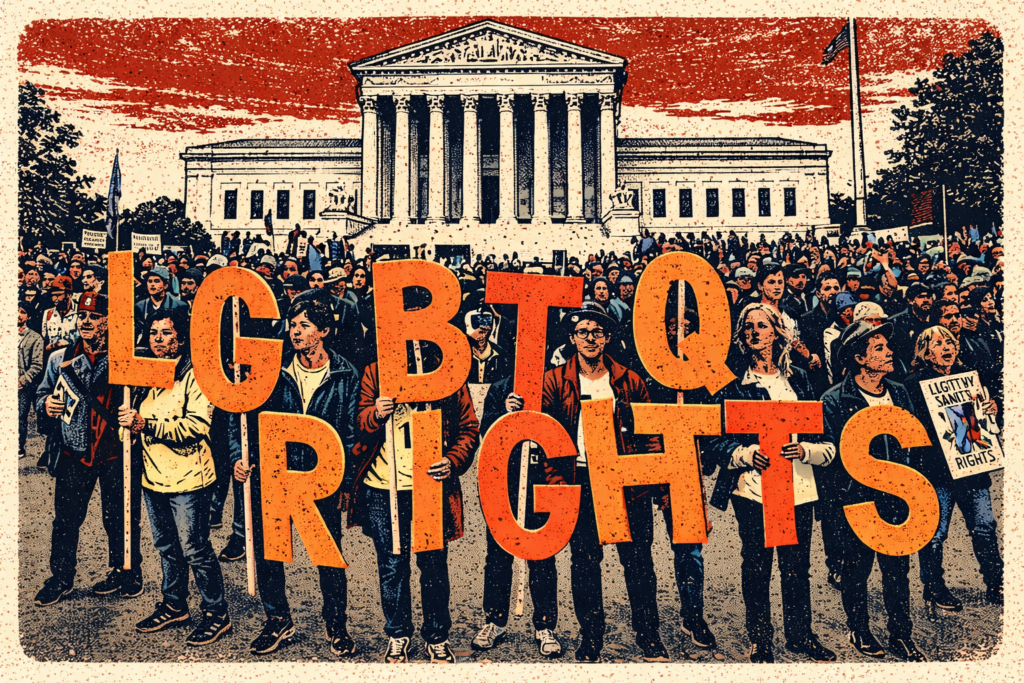
US Supreme Court Strikes Down Colorado’s Ban On Conversion Therapy
The U.S. Supreme Court has issued a significant and controversial ruling striking down a Colorado law that banned so-called “conversion therapy” for minors, a practice aimed at changing an individual’s sexual orientation or gender identity. The decision marks a major legal shift in the ongoing debate over LGBTQ+ rights, free speech, and the authority of states to regulate professional conduct.
The Colorado law had prohibited licensed therapists from engaging in conversion therapy with individuals under 18, citing concerns from medical and psychological experts that such practices are harmful and ineffective. Major professional organizations, including the American Psychological Association, have long opposed conversion therapy, warning that it can lead to depression, anxiety, and increased risk of suicide among LGBTQ+ youth.
However, in its ruling, the Supreme Court determined that the Colorado ban violated constitutional protections, particularly those related to free speech under the First Amendment. The majority opinion argued that the law restricted what therapists could say to their clients, effectively regulating speech rather than conduct. This distinction became central to the Court’s reasoning: while states can regulate medical practices, they cannot impose viewpoint-based restrictions on speech, even within a professional setting.
The case was brought forward by a licensed therapist who argued that the law prevented them from providing counseling aligned with their personal and religious beliefs. Supporters of the challenge framed the issue as one of individual liberty and professional autonomy, asserting that therapists should be free to discuss and explore identity-related concerns with clients without government interference.

Opponents of the ruling, including LGBTQ+ advocacy groups and many medical professionals, strongly criticized the decision. They argue that conversion therapy is not legitimate therapy but a harmful practice that has been widely discredited. Critics warn that the ruling could expose vulnerable young people to psychological harm and undo years of progress made in protecting LGBTQ+ individuals.
The ruling has broader implications beyond Colorado. More than 20 U.S. states have enacted similar bans on conversion therapy for minors. Legal experts say this decision could open the door to challenges against those laws, potentially leading to their repeal or invalidation. As a result, the decision may reshape the legal landscape nationwide regarding how states regulate therapy practices and protect LGBTQ+ youth.
The case also highlights the ongoing ideological divide within the Supreme Court. Conservative justices generally emphasized constitutional freedoms and limits on government power, while liberal justices focused on the state’s responsibility to protect public health and vulnerable populations. Dissenting opinions argued that the law was a legitimate regulation of professional conduct, not speech, and should have been upheld.
Politically, the ruling is expected to intensify debates around LGBTQ+ rights in the United States, especially as it intersects with issues of religious freedom and parental authority. Lawmakers, advocacy groups, and state governments are now likely to reassess their policies and legal strategies in response to the decision.
Ultimately, the Supreme Court’s ruling underscores a fundamental tension in American law: how to balance free speech rights with protections against harm, particularly when it involves minors and sensitive issues of identity. As legal challenges unfold in other states, this case is likely to remain a focal point in the national conversation on civil rights and constitutional law.

⚖️ Key Legal Outcomes
- The U.S. Supreme Court struck down Colorado’s ban on conversion therapy for minors.
- The Court ruled the law violates First Amendment free speech protections.
- The decision classifies therapy conversations as protected speech, not just regulated conduct.
- The ruling creates a legal precedent that may affect similar laws in other states.
- The case strengthens arguments around professional speech rights in healthcare settings.
❗ Why It Matters
- Could lead to challenges against conversion therapy bans nationwide.
- Raises concerns about protection of LGBTQ+ youth from harmful practices.
- Expands interpretation of free speech within professional services.
- Highlights tension between religious freedom and public health policy.
- Signals potential shifts in future civil rights and healthcare rulings.
