
Wisconsin Bill Backs Wrongful Convictions
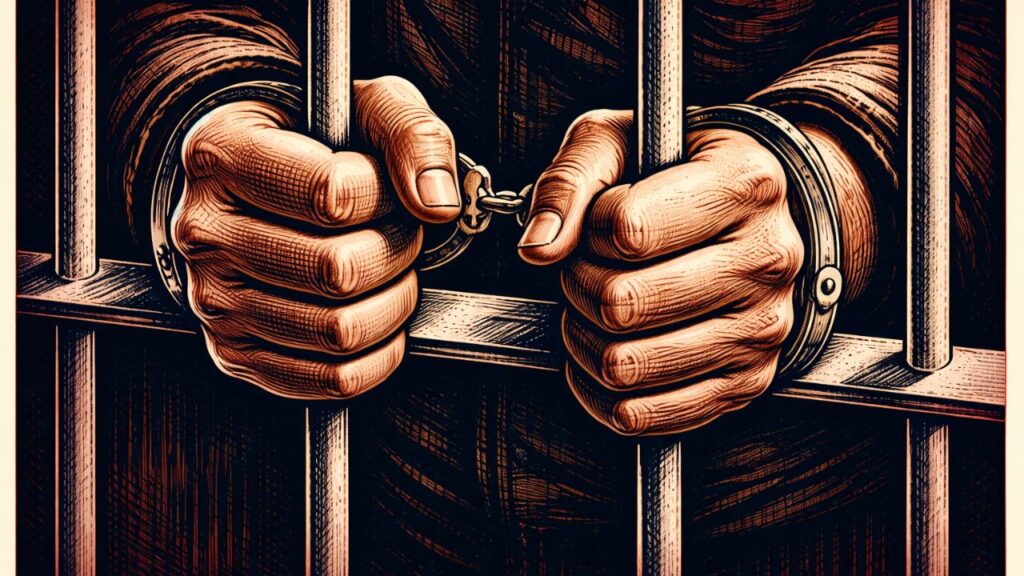
A bipartisan bill in the Wisconsin Legislature proposes to increase state support and compensation for people who were wrongfully convicted and later exonerated, addressing longstanding concerns about the state’s current compensation framework for exonerees.
Under current Wisconsin law — amended decades ago — people wrongfully jailed can receive a maximum of $5,000 per year of wrongful incarceration, up to a total of $25,000 from the Wisconsin Claims Board. Critics for years have called this amount woefully insufficient compared with many other states that compensate exonerees at far higher rates, and with federal recommendations suggesting much more meaningful restitution to help rebuild lives after wrongful imprisonment.
The bill’s public hearing on Dec. 3 drew testimony from wrongfully convicted individuals such as Gabriel Lugo, whose conviction was overturned after years behind bars. Lugo spent nearly 14 years in prison before a Milwaukee County judge vacated his conviction upon re‑evaluation of witness testimony and evidentiary issues.
In Lugo’s case, the Claims Board award — which included only $25,000 in compensation plus roughly $77,000 in attorney fees — worked out to less than $5 for each day of his wrongful incarceration. This limited payout exemplifies why legislators have sought to significantly expand state compensation limits so that exonerees are treated more fairly and can begin rebuilding their lives with some real financial stability.
Proponents of the bill argue that the existing statute’s low compensation leaves exonerees at a disadvantage compared with other people who have served lawful sentences and are released; those individuals typically receive access to job programs, benefits, and reentry support that wrongful convicts often do not. They also note the psychological, social, and economic costs — including lost earnings, disrupted careers, strained family relationships, and challenges obtaining housing or employment — that wrongful incarceration imposes on individuals, costs not adequately addressed by small fixed payouts.
Supporters also highlight that Wisconsin has lagged behind most other states in how it financially compensates exonerees. While nearly all states provide some form of restitution and more than half link payouts to annual years served without a strict $25,000 cap, Wisconsin’s statutory scheme has remained largely unchanged since the 1980s, leaving exonerees with little recompense for decades lost behind bars.

The proposed legislation seeks to significantly raise the compensation limits, potentially in line with broader national standards that provide upward of $50,000 per year wrongfully served — a level recommended by advocacy groups like the Innocence Project and similar to some model compensation proposals. If passed, the new law could help exonerees access not just financial restitution but also support services such as healthcare, job training, housing assistance, and other social services that aid successful reentry into society.
The bill’s advancement reflects bipartisan lawmaker support, a noteworthy point given that criminal justice reforms — including exoneree compensation — often draw cross‑aisle backing as lawmakers seek to right clear injustices. The hearing testimony — humanizing the impacts of decades spent wrongly imprisoned — underscores how lived experience is shaping the bill’s momentum.
Policy advocates maintain that updating Wisconsin’s compensation scheme is not only a matter of fairness but also a way to reaffirm public trust in the legal system. By acknowledging the profound harms caused by wrongful convictions and providing meaningful redress, legislators could set a precedent for how states support exonerees returning to their communities.
While details of the compensation caps or exact payout formulas under the proposed bill are still in development, the legislative movement signals a concerted effort to reform a system that many believe undervalues human life and dignity when errors occur. The final language and committee votes in the coming weeks — and possible revisions in the state legislature — will determine whether Wisconsin joins the growing number of states that have modernized exoneree compensation laws to better reflect contemporary standards of justice and restitution.

📌 Why it Matters
-
Addresses inadequate compensation: closes the gap between current $25,000 cap and the actual harm experienced by exonerees.
-
Reinforces public trust: reform could rebuild faith in justice by recognizing and remedying legal system failures.
-
Aligns Wisconsin with other states: modernizes the state’s approach to compensation in line with broader standards.
-
Supports reentry success: higher compensation may improve access to housing, jobs, healthcare.
-
Reflects bipartisan support: criminal justice reform finds rare legislative common ground.
⚖️ Key Legal Outcomes
-
Compensation caps would be increased beyond the current $25,000 lifetime limit.
-
Annual payout per year wrongfully incarcerated could rise toward national standards (possibly ~ $50,000/year).
-
The bill may include support services tied to compensation.
-
Exonerees could have greater legal recourse under claims board decisions.
-
Sets legal precedent for how states treat exonerees’ restitution rights.
