
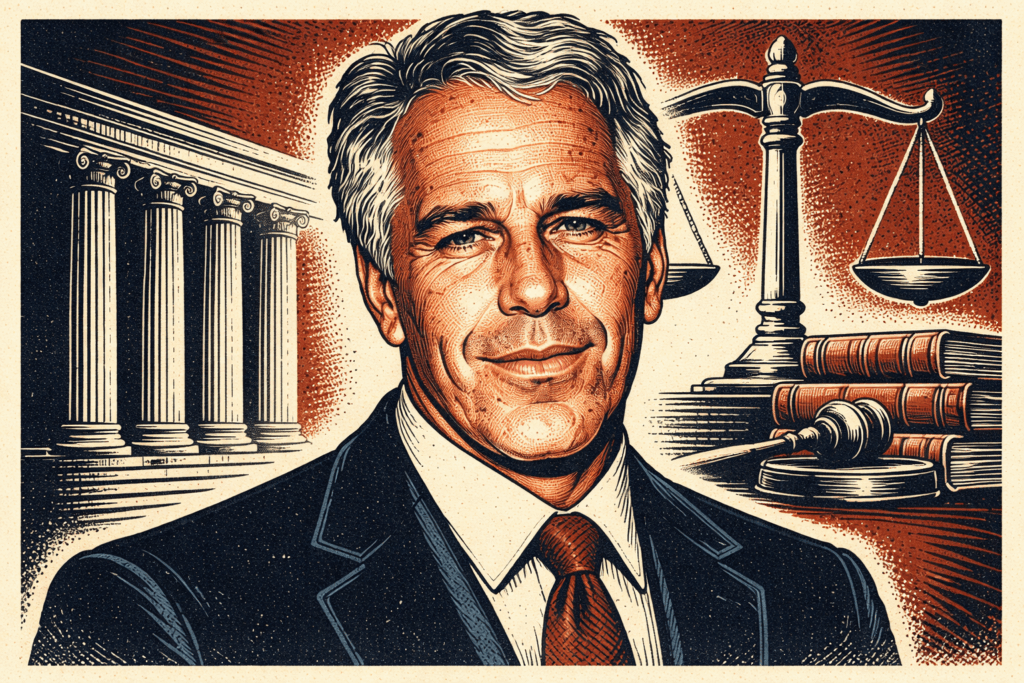
Committee Questions Epstein Lawyer Over Withdrawals
Jeffrey Epstein’s longtime personal lawyer, Darren Indyke, again drew intense scrutiny during testimony before the U.S. House Oversight Committee, this time over the handling of Epstein’s financial activity and access to funds—a revelation tied to the broader release of the so-called “Epstein files.” The developments underline ongoing congressional interest in understanding how Epstein managed his multimillion‑dollar empire and who was responsible for enabling his lifestyle and, indirectly, his crimes.
In prepared remarks delivered under oath, Indyke defended his late client’s sizable cash withdrawals, saying Epstein often took out large amounts of cash because he had difficulty getting approved for a credit card after major banks cut ties with him. According to Indyke, Epstein’s accounts were subject to restrictions after JPMorgan Chase ended its relationship in 2013, making credit card access harder despite records showing the financier maintained good credit during that period. The lawyer said the cash was needed to pay for “household expenses” across multiple properties, including Epstein’s homes in New York, Florida, New Mexico, Paris, and the U.S. Virgin Islands, as well as travel, meals, gifts, gratuities, and aviation costs.
Indyke’s remarks came during a broader deposition focused on the Justice Department’s release of millions of internal documents and financial records related to Epstein’s empire—collectively known as the Epstein files. These files have already exposed a wide array of connections between Epstein and numerous high‑profile figures and institutions, pushing lawmakers to probe not only his criminal conduct but also how his finances were structured and overseen.
The lawyer reiterated that he had no knowledge of Epstein’s criminal activities involving the exploitation and trafficking of underage girls while working for him, a point he also made in previous testimony before the committee. He told lawmakers that “Epstein required cash withdrawals because he needed funds to run his multiple properties and lifestyles,” arguing that the withdrawals were practical and unrelated to illegal activities. Industrious cash withdrawals do raise questions, critics note, because Epstein’s operation reportedly used cash frequently—often cited by victims’ attorneys and other critics as a tool used to conceal the financing of illicit activity.

Indyke’s position—that Epstein’s difficulties in obtaining a credit card justified the substantial cash withdrawals—was met with skepticism by members of the committee, who have been examining the documents released under the Epstein Files Transparency Act, a bipartisan law signed by President Donald Trump in 2025 that mandated broader public access to federal records in Epstein’s cases.
Opposition from some lawmakers centers on the perception that Indyke’s explanation minimizes or deflects from the severity of Epstein’s behavior and apparent financial secrecy. Victims’ advocates argue that large cash withdrawals in criminal enterprises often conceal illicit transactions and shield participants from accountability. Those critics also have pointed to the fact that Epstein continued to have funds and access to resources long after his 2008 conviction, raising questions about the quality and zeal of oversight by his legal and financial advisers.
Additionally, Indyke previously testified that he did not know about Epstein’s abuse while representing him, maintaining that his legal role was confined to standard transactional and corporate work. This defense echoes statements from other high‑profile associates who have denied prior knowledge of Epstein’s abuses, including Richard Kahn—his longtime accountant and co‑executor of Epstein’s estate—as well as other public figures whose names have appeared in the released files.
The committee’s broader inquiry continues to focus on how Epstein’s finances were managed, who enabled his operations, and why institutions such as major banks and legal advisers failed to flag or act on warning signs despite repeated red flags. Questions also remain about the role played by intermediaries in facilitating Epstein’s network, which included influential individuals across industries and across the globe.
While there have been no criminal charges against Indyke related to these congressional disclosures, the testimony illustrates the ongoing political and legal pressure surrounding Epstein’s legacy and the unprecedented public scrutiny of those who worked closely with him. The broader implications of the hearings and the released files continue to reverberate through legal communities, financial institutions, and political circles alike.

Key Legal Outcomes
-
House Oversight Committee has subpoenaed and is questioning Epstein’s longtime lawyer about financial and legal management.
-
Indyke testified that large cash withdrawals were needed due to credit card access issues.
-
Ongoing scrutiny under the Epstein Files Transparency Act mandates release of many records.
-
Committee pressure reflects continued investigation into Epstein’s finances and enabling network.
-
Indyke maintains denial of any knowledge of Epstein’s criminal abuses during his legal representation.
Why It Matters
-
Highlights unresolved questions about how Epstein financed his operation.
-
Raises concerns about oversight by advisers to wealthy and potentially criminal clients.
-
Continues pressure on institutions and individuals tied to Epstein’s network.
-
Influences public policy debate on transparency and financial accountability.
-
Serves as a reminder of congressional oversight of historically opaque private estates.
