
AZ Sues Johnson to Swear In Rep. Grijalva, Release Epstein Files
Arizona sues to force House Speaker Mike Johnson to swear in new rep – and likely trigger the release of the Epstein files
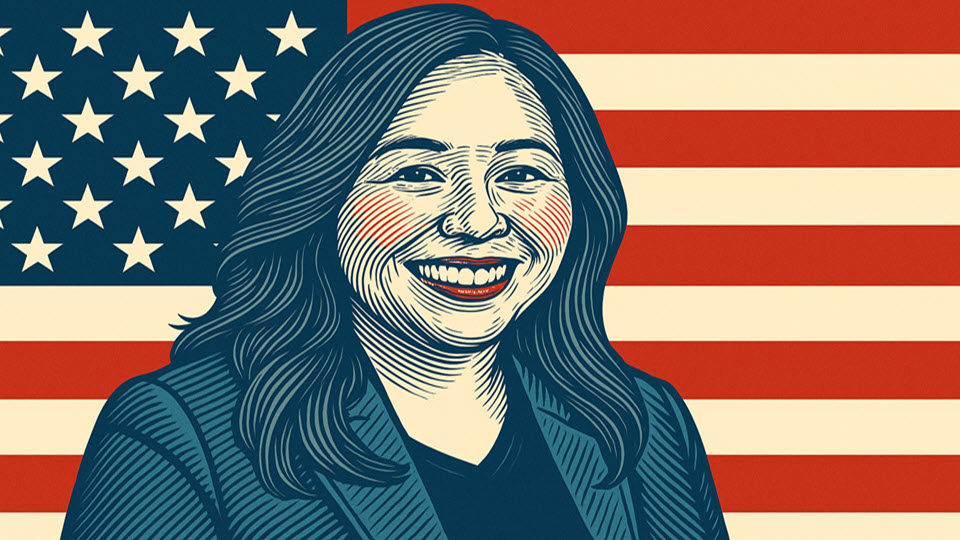
The state of Arizona has filed a federal lawsuit against Speaker of the House Mike Johnson, seeking to compel him to administer the oath of office to Democrat Adelita Grijalva, who won a special election on September 23, 2025, to fill the seat previously held by her late father in Arizona’s 7th Congressional District.
Despite her election victory, Speaker Johnson has refused to swear her in, citing the ongoing federal government shutdown and the House being out of session.
Arizona Attorney General Kris Mayes argues that this delay amounts to a denial of representation for over 800,000 citizens in the district and violates the Constitution. The lawsuit asks that a federal court declare Grijalva a Member of Congress once she takes the oath, and, if Johnson refuses, authorize another official to administer the oath.
A crucial element of this controversy is that Grijalva would provide the 218th signature needed on a discharge petition aimed at bringing a vote to release documents relating to the late financier Jeffrey Epstein and his network of alleged misconduct. Democrats assert that Johnson’s delay is politically motivated to block that vote. Johnson denies the connection with the Epstein files and maintains the delay is simply due to procedural scheduling and the shutdown.
The lawsuit significantly raises questions about the scope of the Speaker’s power, the rights of a duly-elected representative to be seated, and how congressional procedural tactics can affect both representation and key oversight efforts. The House remains recessed until lawmakers agree on funding, and this standoff shows how legislative operations, electoral results, and governance oversight can all become entangled in strategic maneuvers.

Why It Matters
-
Representation rights under strain — Delaying the swearing-in of a duly-elected member deprives a district of its voice in Congress and raises fairness concerns.
-
Speaker’s power under scrutiny — The case examines how much discretion the Speaker has in timing the oath of office and what limitations exist.
-
Oversight & accountability linkage — The potential release of Epstein-related files is connected with this procedural fight, highlighting how procedural decisions can impact transparency.
-
Constitutional and democratic integrity — By raising issues of “taxation without representation,” the lawsuit touches foundational democratic principles.
-
Precedent for future seating delays — How this is resolved may influence how similar disputes over seating, oaths, or legislative blockades play out in the future.

Key Legal Outcome
-
Lawsuit filed to compel swearing-in — Arizona’s Attorney General formally sued Speaker Johnson and the U.S. House to force the oath for Adelita Grijalva.
-
Court asked to allow alternative admin of oath — The filing seeks a declaratory judgment that, if Johnson refuses, any person legally authorized may administer the oath.
-
Claim of constitutional violation — The suit claims non-swearing in violates Article I (representation) and leaves voters without Congressional representation.
-
Possible judicial clarification of Speaker’s duties — The case may lead to a court decision or interpretation regarding how and when the Speaker must seat elected members.
-
Implications for oversight mechanisms — Because the delay connects to a major oversight issue (release of Epstein-files), the outcome may influence how administrative tools (like the discharge petition) interact with seating decisions.
