
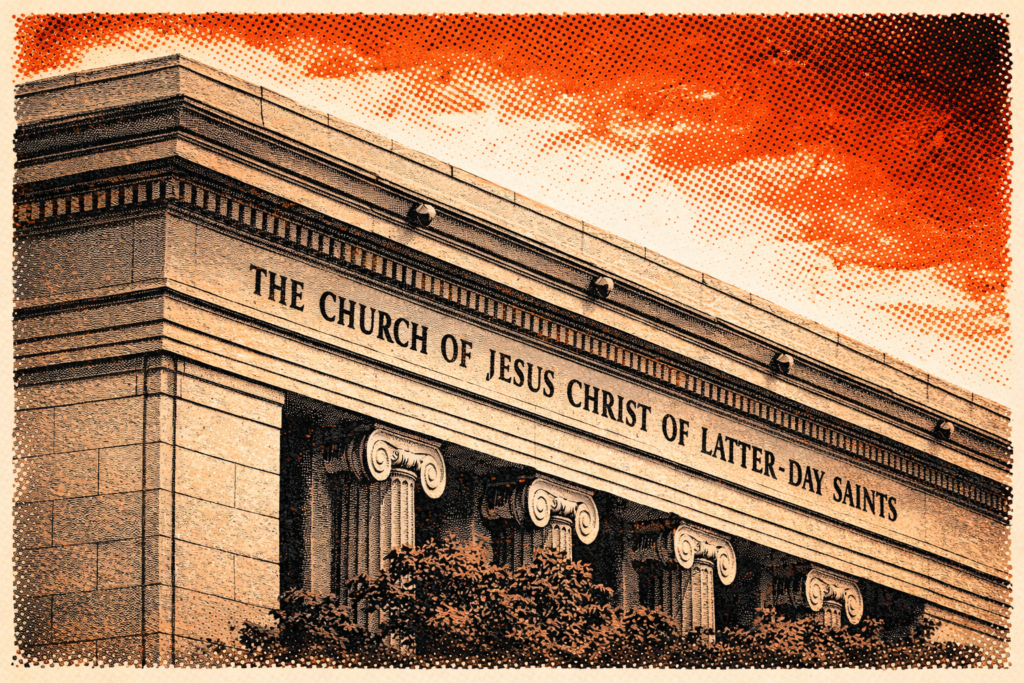
Church of Jesus Christ files IP/Trademark Suit Against John Dehlin
The The Church of Jesus Christ of Latter-day Saints has filed a trademark complaint against a podcast connected to Open Stories Foundation and its founder John Dehlin, alleging unauthorized use and imitation of its brand identity.
According to the report, the dispute centers on branding used in the podcast “Mormon Stories,” which is produced by the Open Stories Foundation. The Church claims that certain elements—such as names, wording, and overall presentation—closely resemble its own trademarks and could create confusion among the public. Specifically, the concern is that audiences may mistakenly believe the podcast is officially affiliated with or endorsed by the Church, when it is not.
The complaint has been filed with the Trademark Trial and Appeal Board (TTAB), a body under the U.S. Patent and Trademark Office that handles disputes over trademark registration. Unlike a traditional lawsuit seeking damages, this type of proceeding focuses on whether a mark can be legally registered or should be canceled or restricted.
At the core of the Church’s argument is the concept of “likelihood of confusion,” a central standard in trademark law. The Church contends that the use of the term “Mormon”—historically associated with the Church despite its shift toward emphasizing its full name—combined with other branding elements, could mislead listeners into thinking the podcast represents official doctrine or teachings.

On the other side, John Dehlin and the Open Stories Foundation are known for producing independent content that often discusses, critiques, or explores issues related to the Church and its community. “Mormon Stories” has built a substantial audience over the years, particularly among individuals interested in faith transitions, religious discussion, and personal experiences within or outside the Church.
Legal experts note that the case touches on a complex intersection between trademark law and free speech. While organizations have the right to protect their brand identity, courts and trademark authorities also recognize that terms associated with cultural or religious identity can be used in commentary, criticism, or discussion without necessarily constituting infringement.
A key issue in the case will likely be whether the podcast’s branding is sufficiently distinct to avoid confusion, or whether it crosses the line into misleading representation. Factors such as disclaimers, visual differences, and the overall context of the content will likely be considered in determining the outcome.
The dispute also reflects broader efforts by the Church to maintain consistent branding. In recent years, it has emphasized the use of its full official name and has sought to reduce reliance on the term “Mormon” in official contexts. This makes the continued use of the term in independent media a particularly sensitive issue.
For the Open Stories Foundation, the case could have significant implications. If the TTAB rules in favor of the Church, the organization may be required to modify or rebrand aspects of the podcast, which could affect its recognition and reach. Conversely, a ruling in favor of the podcaster could reinforce protections for independent media creators using culturally significant terms in commentary or critique.
Ultimately, the case highlights the growing tension between institutional brand control and the rise of independent digital media. As podcasts and online platforms continue to expand, disputes like this are likely to become more common, shaping how trademark law is applied in the modern media landscape.

⚖️ Key Legal Outcomes
- The Church of Jesus Christ of Latter-day Saints filed a trademark complaint against the Open Stories Foundation and its podcast.
- The case involves John Dehlin and the “Mormon Stories” brand.
- The dispute is before the Trademark Trial and Appeal Board (TTAB).
- The Church alleges likelihood of confusion due to similar branding.
- The outcome may determine whether the podcast must rebrand or alter its identity.
📌 Why It Matters
- Tests limits of trademark protection vs free speech.
- Impacts independent religious and commentary media creators.
- Could redefine use of culturally significant terms like “Mormon.”
- Highlights growing conflicts between institutions and digital media platforms.
- May influence future trademark disputes involving podcasts.
