
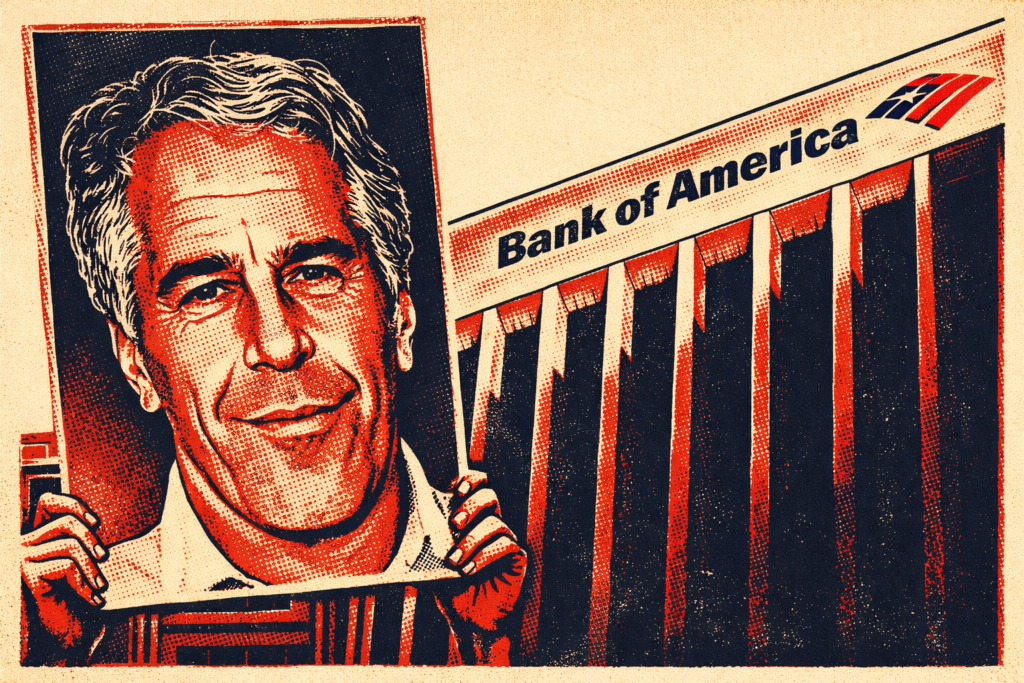
Epstein Lawsuit Costs Bank of America Millions
Bank of America Corp. has reached a $72.5 million settlement to resolve a high‑profile lawsuit alleging the bank failed to report and oversee suspicious financial activity tied to Jeffrey Epstein’s sex‑trafficking network, a claim brought on behalf of alleged victims and first reported in several outlets including Reuters and Yahoo Finance. Under the proposed deal, the bank will pay $72.5 million to settle the civil case, which accuses it of maintaining financial ties to Epstein and related individuals while ignoring red flags that could have helped stop abuse. The agreement — negotiated between Bank of America and plaintiffs’ attorneys — still requires approval by a federal judge in New York. If approved, it would provide compensation to women who say they suffered from abuse linked to Epstein’s operations between roughly 2008 and 2019.
The lawsuit was initially filed in Manhattan federal court with women identified by pseudonyms, including a lead plaintiff referred to as Jane Doe. Plaintiffs asserted that Bank of America’s conduct went beyond negligent banking practices, alleging the lender prioritized profits over legal compliance by failing to flag suspicious account activity or prevent billions of dollars tied to Epstein’s network from flowing through its systems. Attorneys argued that suspicious transactions involving Epstein and his associates — including transfers from high‑profile figures — were not escalated promptly to regulators, which, according to the lawsuit, contributed to ongoing abuse.
Bank of America has consistently denied that it facilitated Epstein’s criminal conduct or directly enabled sex trafficking. In legal filings and public statements, the bank stressed that the settlement “does not constitute an admission of liability or wrongdoing.” Still, the decision to settle reflects a desire to resolve protracted litigation and provide some measure of closure and financial relief to plaintiffs, many of whom have endured years of legal battle after Epstein’s 2019 death in custody while awaiting trial on sex‑trafficking charges.

This agreement follows a pattern of large financial institutions reaching settlements in related cases. JPMorgan Chase previously agreed to pay roughly $290 million to resolve similar claims, and Deutsche Bank paid about $75 million, making Bank of America’s pact the latest among major banks grappling with litigation over their connections to Epstein’s alleged crimes. Plaintiffs’ lawyers may receive a portion of the settlement — potentially up to 30 percent — as legal fees, which is common in class‑action cases. The exact distribution of settlement funds to victims would be determined through court procedures once the judge approves the deal.
Financial markets have taken some cues from the settlement news. Bank of America’s stock (traded under the ticker BAC) sits within a broader banking sector context where equities have rebounded slightly from recent lows, boosted by easing bond yields and stabilizing credit costs, helping bank shares including BAC climb modestly. However, BAC’s price remains subject to investors’ ongoing concerns about litigation risk, broader economic prospects, and interest‑rate pressures. Equities overall have been influenced recently by shifts in treasury yields, energy prices, and macroeconomic signals that affect bank profitability and net interest income — a crucial revenue driver for institutions like Bank of America.
Beyond the courtroom and markets, the settlement underscores increased scrutiny on how financial institutions handle anti‑money‑laundering (AML) compliance and suspicious activity reporting. The Epstein cases have drawn regulators’, legislators’, and public attention to banking controls and oversight failures in preventing exploitation by wealthy individuals with complex financial networks. Bank of America’s settlement does not end broader debates — critics argue that courts and regulators should impose stronger requirements on large banks to detect and report abuse‑related financial flows, while defenders say that banks already operate within demanding compliance frameworks enforced by regulators.
Ultimately, Bank of America’s willingness to settle for $72.5 million may influence future litigation against financial institutions alleged to have missed red flags in high‑profile abuse cases. Courts will closely watch whether approving such settlements sets stronger norms for financial accountability or simply encourages more lawsuits where plaintiffs argue institutional negligence in the context of criminal networks. The resolution process is expected to take several months, with the judge’s review central to determining how victims are compensated and how much the bank’s reputation and risk profile are affected going forward.

⚖️ Key Legal Outcomes
- Bank of America agreed to pay a $72.5 million settlement to resolve a civil lawsuit alleging oversight failures linked to Epstein‑related abuse claims.
- The settlement requires approval by a U.S. federal judge in Manhattan before it becomes effective.
- The lawsuit accused the bank of failing to report suspicious transactions that could have helped prevent ongoing abuse.
- Bank of America denied any wrongdoing and said the settlement does not imply liability.
- The case follows similar multimillion‑dollar settlements by other major banks for related Epstein lawsuits, potentially shaping future litigation.
❗ Why It Matters
- It holds a major financial institution financially accountable for alleged compliance failures tied to an international abuse network.
- The settlement reflects heightened scrutiny of anti‑money‑laundering practices at large banks.
- It may influence future lawsuits and regulatory expectations for financial institutions in abuse cases.
- The outcome could affect investor sentiment toward Bank of America’s risk profile and litigation exposure.
- It adds to a series of banking settlements tied to abuse networks, reinforcing corporate governance debates on compliance and ethics.
