
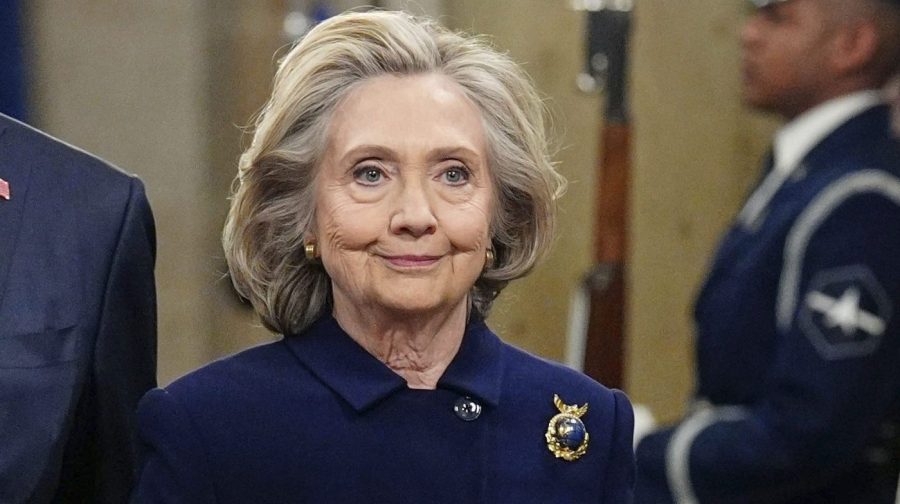
Hillary Clinton: Supreme Court ‘will do to gay marriage what they did to abortion’
Main Concern:
In an appearance on the Raging Moderates podcast (aired August 15, 2025), Hillary Clinton cautioned that the U.S. Supreme Court may soon overturn the landmark Obergefell v. Hodges decision (2015), which guarantees the right to same-sex marriage nationwide. Drawing a parallel to the overturning of Roe v. Wade, she warned that the Court could dismantle this protection by delegating marriage regulation back to the states.
Personal Advice:
Clinton urged LGBTQ+ individuals in committed relationships to get married soon, suggesting that while existing marriages would likely remain valid, the national guarantee could be rescinded—resulting in a patchwork of legal recognition across states.

Legal Challenge:
The warning follows a petition filed by Kentucky clerk Kim Davis, who previously refused to issue marriage licenses to same-sex couples. Her petition asks the Supreme Court to reconsider—and potentially overturn—Obergefell, arguing it was wrongly decided, bolstered by conservative legal commentary and litigation trends like Dobbs v. Jackson.
Judicial Process Risk:
Observers remain cautious, particularly in light of the Supreme Court’s trend toward decisive rulings issued via the “shadow docket”—a mechanism that allows major decisions without full briefing or argument, limiting transparency.
Legal Protections if Overturned:
If Obergefell is overturned, same-sex marriage would likely become illegal in as many as 30 states. However, the federal Respect for Marriage Act (2022) would still require states to recognize already-legal marriages from other states.

Legal Key Outcomes
-
Rollback of Federal Marriage Equality Ruling: Obergefell v. Hodges may be overturned, eliminating the national constitutional guarantee of same-sex marriage.
-
Return to State-Level Regulation: Legal status of same-sex marriage would revert to individual states, leading to potentially widespread bans.
-
Immediate Effect on Marriages: Existing marriages might remain valid, but new ones could face legal uncertainty—prompting urgency among couples to marry.
-
Partial Safeguard via RFMA: The Respect for Marriage Act would still compel state recognition of out-of-state marriages, offering some continuity.
-
Threat from Shadow Docket Process: The Court’s increasing reliance on expedited, less-visible decision-making raises concern over due process and public input.
-
Broader Implications for LGBTQ+ Rights: Overturning Obergefell could set precedent for challenging other established rights, heightening legal and advocacy stakes.
Why It Matters
-
Legal Precedent at Risk: A reversal would upend a decade of constitutional precedent protecting LGBTQ+ rights.
-
Human Consequences: Couples may face heartbreak, legal instability, and community division based on where they live.
-
Policy Vulnerability: Highlights the precariousness of civil rights in the Supreme Court’s shifting ideological climate.
-
Federal vs. State Divide: Spotlights the imbalance of rights across geographies and the critical role of federal protections.
-
Civic Awareness: Emphasizes the importance of public attention to court nominations, retirement, and legal reforms.
Outlet: Yahoo News (via coverage)
Publication Date: August 18–19, 2025

