
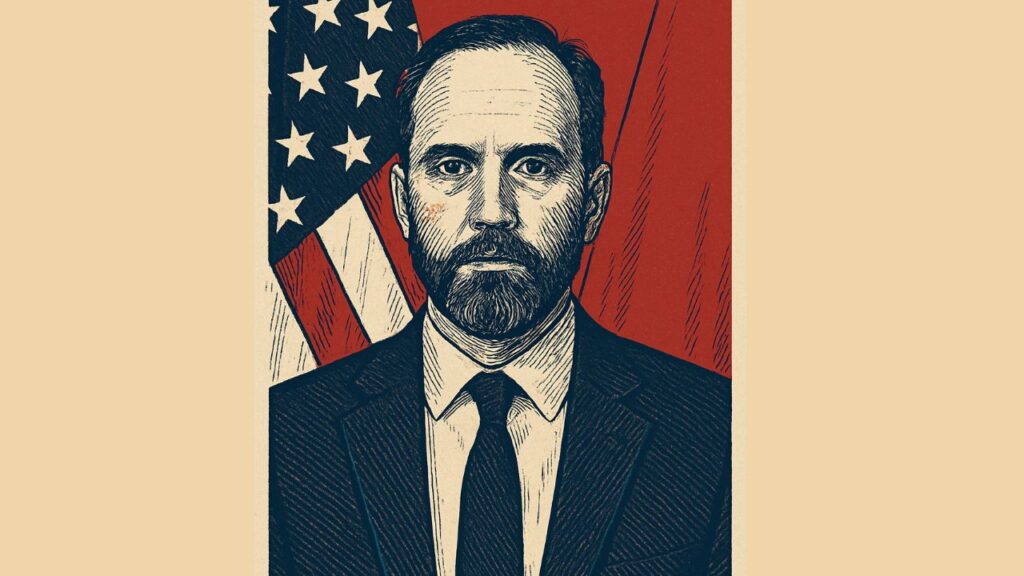
Jack Smith Warns Trump’s DOJ
In a rare and pointed interview conducted at University College London, former special counsel Jack Smith publicly warned about what he perceives as growing turmoil and risks within the Department of Justice under Trump’s second term. He pushed back against allegations that his prosecutions of Trump (for 2020 election subversion and mishandling classified documents) were politically motivated, calling such claims “absolutely ludicrous.”
Smith emphasized that his team was composed of career, apolitical prosecutors from both Republican and Democratic administrations—professionals focused on justice rather than politics. He insisted that decisions in his investigations adhered to DOJ rules and protocol, regardless of external pressure.
Yet he also criticized recent DOJ actions under Trump as deeply concerning. Among those, he cited the dismissal of a federal corruption case against New York City Mayor Eric Adams in exchange for cooperation with federal immigration policy, calling it an unprecedented maneuver. He also lambasted the newly filed indictment against former FBI Director James Comey, stating it “reeks of lack of process.”
Smith warned that the DOJ’s increasing politicization comes at a steep cost: career prosecutors resigning over ethical conflicts, institutional trust eroding, and national security suffering if experienced staff are purged. He stated that when nonpartisan public servants are pushed out, their expertise and institutional memory are lost—something he described as “incalculable” damage.
His remarks come amid mounting calls from House Republicans, particularly Judiciary Committee Chair Jim Jordan, for Smith to testify and turn over internal documents about his prior prosecutions. Meanwhile, Smith’s criticisms of DOJ actions signal that even architects of past prosecutions see danger in the current trajectory of enforcement decisions.

Why It Matters
-
Internal DOJ criticism strengthens claims of politicization
— When a former special counsel calls out practices in the DOJ, it gives weight to concerns about rule-bending or selective enforcement. -
Institutional risk & personnel exodus
— The warning about resignations among career prosecutors signals potential instability and loss of government capacity. -
Erosion of public trust in justice institutions
— Public perception that the DOJ is being weaponized may undermine confidence in its impartiality and legitimacy. -
Precedent for DOJ oversight & norms
— Smith’s remarks may shape future debates over safeguards, internal checks, and prosecutorial independence statutes. -
Pressure on congressional and judicial review
— His statements could influence congressional oversight, inspector general reviews, or demand greater transparency in DOJ decision making.

Key Legal Outcomes
-
Basis for motions challenging prosecutorial decisions
— Defense teams might use Smith’s critique as support for claims of selective or vindictive prosecution, arguing improper political influence tainted charging decisions. -
Greater likelihood of internal DOJ inquiries or OIG reviews
— Smith’s warning could catalyze investigations by the DOJ’s Office of the Inspector General into recent prosecutorial conduct under Trump’s DOJ. -
Subpoena pressure & compelled testimony
— House Republicans are already demanding that Smith produce documents and testify about his past prosecutions; these dynamics may expand legal exposure for decisions made under Trump’s DOJ. -
Enhanced scrutiny of DOJ procedural compliance
— The interview intensifies focus on whether DOJ policies and decision protocols (e.g. cross-office coordination, staffing, internal checks) are being followed or bypassed. -
Legal precedent on prosecutor independence under political administrations
— Smith’s public stance may become part of future case law or doctrine concerning how far prosecutors must resist political interference or maintain structural autonomy.
