
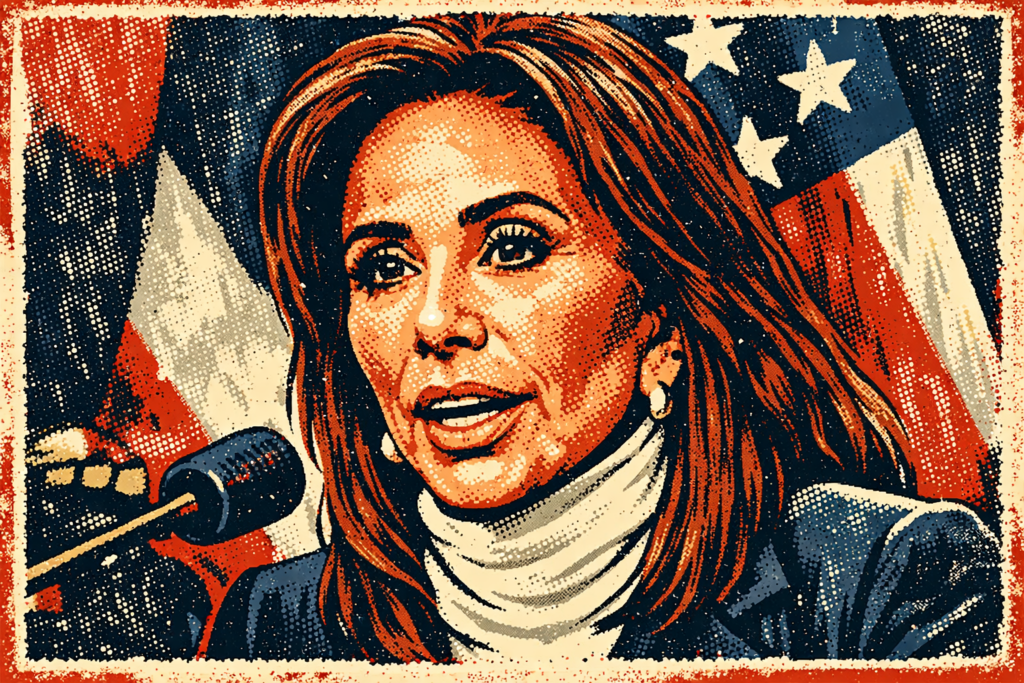
Jeanine Pirro Sparks Outrage With Gun Comments
The Trump administration’s Department of Justice (DOJ) is publicly scrambling to smooth over controversy sparked by comments from U.S. Attorney Jeanine Pirro about gun possession in Washington, D.C. Pirro, a close ally of President Donald Trump and former television host, made remarks on Fox News suggesting that anyone who brought a gun into the District — even if legally allowed elsewhere — would risk prison time. Her remarks triggered widespread outrage from gun rights advocates, conservative lawmakers, and pro-Second Amendment groups, who argued that she misrepresented federal and D.C. law and appeared dismissive of lawful gun ownership rights.
In the wake of the backlash, Deputy Attorney General Todd Blanche — a senior Trump DOJ official — rushed to clarify the department’s position, emphasizing that the administration strongly supports Second Amendment rights and lawful gun ownership. Blanche issued a public statement on social media platform X asserting that the DOJ would “fiercely protect” gun rights, attempting to distance the department’s official stance from Pirro’s comments.
Pirro’s initial remark — “you bring a gun into the District … you’re going to jail” — was interpreted by many as an overly broad threat that did not sufficiently acknowledge nuances in federal and local gun licensing rules, particularly for individuals who are legally permitted to carry a firearm in their home state. Second Amendment organizations and several GOP members of Congress, including Representatives Greg Steube and Andrew Clyde, blasted Pirro’s statement as “out of touch” and inconsistent with conservative values favoring gun rights.

The controversy also reignited debates within conservative circles about the administration’s overall commitment to protecting firearm rights — especially in light of recent high-profile discussions about gun violence and federal regulations. Some critics tied Pirro’s comments to other statements attributed to President Trump, including past assertions about restrictions on gun possession in the wake of a shooting involving a legal gun owner. While details of that particular exchange remain part of broader political commentary, the Pirro incident compounded anxieties among some supporters about federal encroachment on gun rights.
The Trump DOJ’s swift response through Blanche’s statement reflects an effort to contain political and legal fallout by reaffirming commitment to the Constitution’s Second Amendment while steering away from language that could be perceived as punitive toward lawful gun owners. Critics, however, argue that the apology was necessary only because Pirro — a controversial figure — misstepped in framing federal enforcement policy in simplistic and alarmist terms.
Legal analysts note that Washington, D.C.’s gun laws are among the strictest in the nation, requiring special licensing for individuals to carry firearms even if they are licensed elsewhere. The city’s regulations have long drawn legal challenges from gun rights advocates who argue they conflict with Supreme Court precedents affirming an individual’s right to bear arms. Federal prosecutors in D.C. are typically tasked with enforcing both local and federal law, making nuanced public messaging about how laws interact critically important — especially in politically charged climates.
Observers also say the episode highlights how politicized law enforcement rhetoric from appointed officials can quickly become a flashpoint in national debates over constitutional rights, particularly when such rhetoric touches on core civil liberties. Blending political allegiance, legal interpretation, and enforcement policy can create confusion about official DOJ positions, requiring rapid damage control from senior officials.
Pirro’s comments and the ensuing reaction underscore ongoing tensions within the Republican coalition between staunch supporters of expansive gun rights and officials aligned with federal law enforcement authority. With midterm and upcoming election-related politics coloring public discourse, the incident — and the DOJ’s response — could have ripple effects in how legal messaging is crafted by politically prominent DOJ appointees in the Trump administration.

📌 Why This Matters
-
Gun rights controversy erupted: Pirro’s remarks about jailing gun carriers in D.C. sparked significant backlash from pro-Second Amendment groups and GOP lawmakers.
-
DOJ moved to contain fallout: Deputy AG Todd Blanche publicly reiterated DOJ support for lawful gun ownership, trying to clarify policy.
-
Federal vs. local law confusion: The incident highlights ongoing legal complexities between D.C.’s strict gun regulations and broader constitutional interpretations.
-
Political messaging matters: Highly charged rhetoric from DOJ affiliates can quickly become national political flashpoints, especially on civil rights.
-
Internal administration dynamics: The controversy reflects internal efforts by the Trump DOJ to balance enforcement policy and alignment with conservative base priorities.
📌 Key Social Outcomes
-
Heightened public debate: The episode amplified national conversation about gun rights and federal enforcement messaging.
-
Political mobilization: GOP lawmakers and gun rights advocates used the incident to rally constituents around Second Amendment issues.
-
Trust in DOJ messaging: The response raised questions about consistency and clarity in how the justice department communicates with the public.
-
Media amplification: Broad coverage of the controversy underscored divisions within conservative constituencies about law enforcement priorities.
-
Impact on legal discourse: Legal commentators and rights activists debated the interplay between rhetoric and lawful interpretation of gun laws.
