
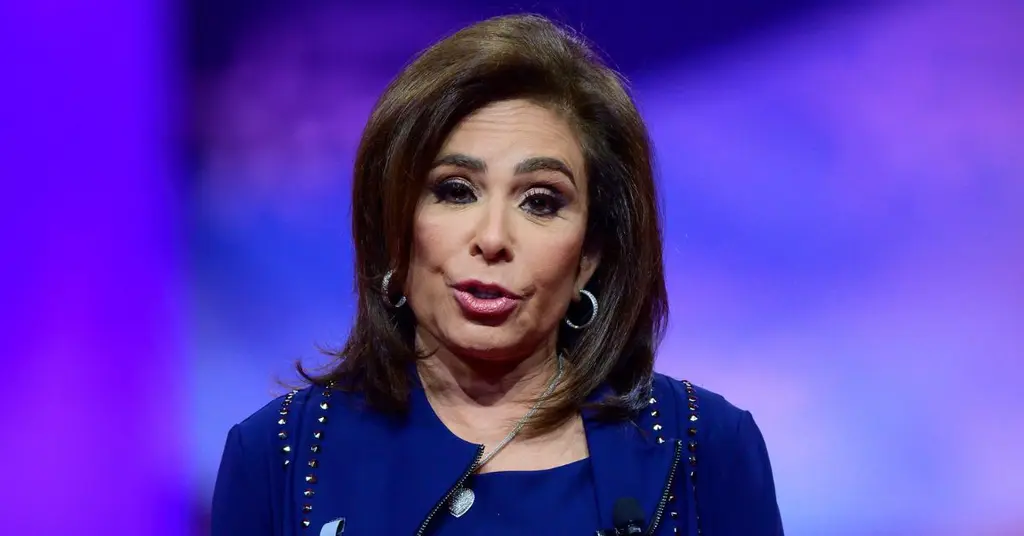
Jeanine Pirro’s Cases Keep Falling Apart, And The Judges Have Had Enough
Jeanine Pirro, currently serving as U.S. Attorney for the District of Columbia, is facing mounting criticism as a series of high-profile prosecutions brought by her office continue to unravel in court. In several cases involving serious charges — including threats against the president and violent offenses — judges have dismissed the indictments, often pointing to insufficient evidence or prosecutorial overreach. Some defendants were held in jail for days only to see their cases collapse, while in other instances, Pirro’s office itself withdrew charges after realizing the legal grounds were too weak to sustain. Grand juries have also played a role, rejecting attempts by her office to secure indictments in cases that appeared over-charged or inadequately prepared.
The repeated courtroom failures have raised concerns about both Pirro’s judgment and the broader credibility of her office. Critics argue that the string of dismissals reveals a pattern of aggressive but poorly supported prosecutions that may be undermining public trust in the justice system. Judges have openly criticized the lack of sufficient legal backing, signaling rare but significant judicial pushback against prosecutorial strategies that appear politically or reputationally motivated rather than rooted in strong evidence.
The fallout extends beyond individual cases. Legal experts warn that dismissals of such magnitude could establish precedents limiting prosecutorial discretion, especially in cases involving allegations of threats against national figures. Meanwhile, the individuals caught in the middle — many of whom endured reputational harm, financial strain, and unnecessary detention — highlight the real-world consequences of flawed prosecutions.

Pirro’s tenure has always attracted political and public attention, and these failures have intensified scrutiny of her office’s operations. Observers note that as a high-profile public figure, Pirro carries additional visibility, making every collapse more damaging not just to her reputation but also to confidence in the Department of Justice’s oversight of the District of Columbia. Questions are now swirling about whether her approach represents a systemic problem of overreach or simply a series of missteps in an otherwise complex legal environment.
Overall, the unraveling of Pirro’s cases underscores broader debates about prosecutorial power, accountability, and the fine balance between pursuing aggressive legal action and respecting defendants’ rights. For Pirro, the mounting dismissals could mark a turning point in her career, reshaping how the public and judiciary view her legacy as both a prosecutor and political figure.

Why it matters
-
Prosecutorial accountability: Highlights how overcharging and weak cases can harm both defendants and the justice system.
-
Judicial pushback: Shows judges are scrutinizing and rejecting poorly built cases despite political pressure.
-
Public trust: Raises concerns about fairness and competence in the office of a high-profile U.S. attorney.
-
Legal precedent: Dismissals may strengthen standards against prosecutorial overreach in future cases.
-
Political impact: Pirro’s credibility as a prosecutor and public figure could be damaged by repeated courtroom losses.
Key legal outcomes
-
Multiple felony charges brought by Pirro’s office were dismissed by judges.
-
At least one grand jury declined to indict despite prosecutors’ efforts.
-
Some defendants spent days in jail before cases collapsed.
-
Courts cited insufficient evidence and overreach as reasons for dismissals.
-
Ongoing scrutiny could impact Pirro’s future cases and career trajectory.
Publication date & Live Link
- Publication date: September 19, 2025
- Live link: Jeanine Pirro’s Cases Keep Falling Apart — Yahoo News
