
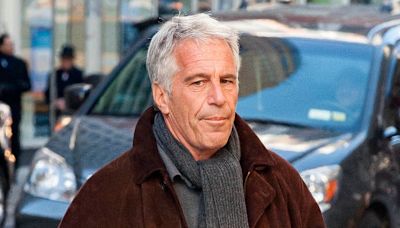
Judge Denies Unsealing of Epstein Grand Jury Records, Calls It a ‘Diversion’
A Manhattan federal judge has rejected the Department of Justice’s request to unseal grand jury transcripts from Jeffrey Epstein’s 2019 sex trafficking case, a ruling that marks the third court to side against releasing such materials. U.S. District Judge Richard Berman declined to breach grand jury secrecy, emphasizing that the requested documents—a roughly 70-page compilation consisting mainly of an FBI agent’s hearsay testimony—offer minimal added public insight. Echoing similar decisions in the Maxwell case, Judge Berman confirmed that the DOJ retains a far larger body of investigative records, and releasing the limited grand jury transcripts would serve as a distraction from that more substantial trove of material.
He further criticized the motion, describing it as a “diversion” from broader disclosure efforts—since prosecutors already possess and control distribution of a much larger cache of files. Unlike grand jury testimony, the DOJ has discretion to release these investigative documents without court approval.
Supporters of greater transparency, including some members of the Trump base, had viewed the unsealing effort as a pathway to exposing possible broader misconduct or cover-ups. However, this and similar judicial rebuffs—including those involving Ghislaine Maxwell—have reinforced strict upholding of grand jury secrecy norms.

Key Legal Outcomes
-
Motion denied: The court refused to unseal grand jury transcripts, affirming the inviolability of grand jury secrecy.
-
Hearsay testimony only: The limited contents—chiefly hearsay from a single FBI agent—lacked compelling value for public release.
-
Court defers to DOJ: Judge Berman asserted that the Department—not the courts—is better positioned to release comprehensive investigative records.
-
Consistency in precedent: This ruling is the third court-held refusal in the broader Epstein-Maxwell proceedings.
-
Maintained confidentiality: The decision reinforces entrenched legal norms designed to shield grand jury proceedings and protect victim privacy.

Why It Matters
-
Protects judicial integrity: Upholding grand jury secrecy preserves the procedural safeguards and fairness of the justice process.
-
Limits public scrutiny: With key materials remaining sealed, questions about Epstein’s network and broader accountability persist.
-
Political tension remains: The denial amplifies criticism over transparency, straining public trust in how high-profile investigations are handled.
-
DOJ transparency spotlighted: Attention now shifts to whether—and how—the DOJ will voluntarily release substantial investigative materials.
-
Victim privacy prioritized: The ruling reflects concern for safeguarding sensitive information tied to trafficking victims.
📅 Publication Date: August 20, 2025
🔗 Outlet Links: AP News | Reuters
