
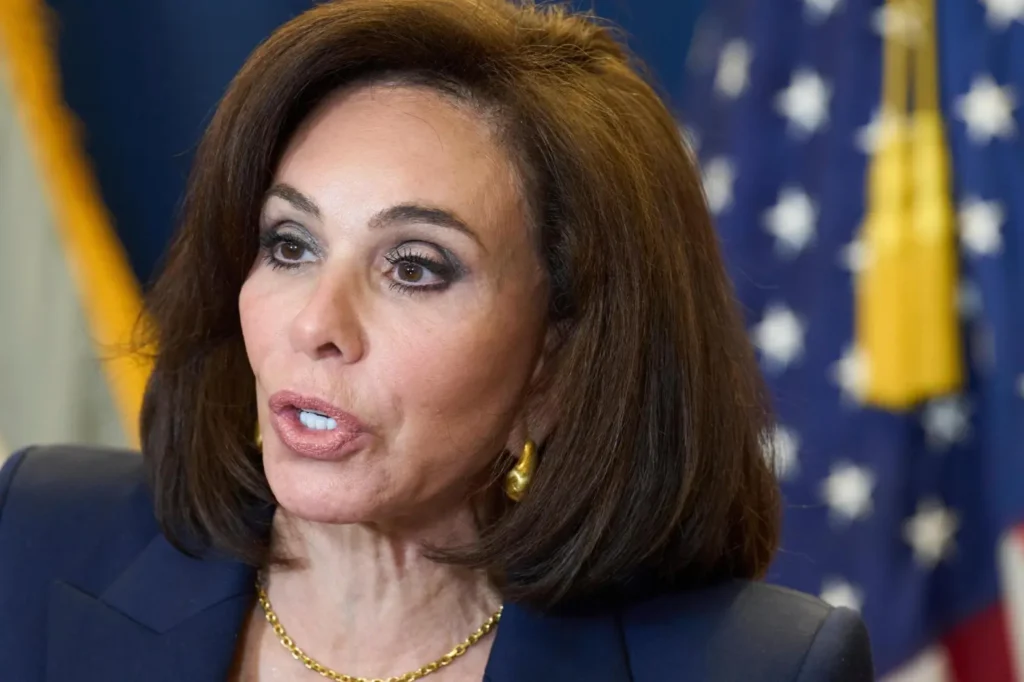
Federal Prosecutors in D.C. Will No Longer Charge Rifle or Shotgun Possession
Federal prosecutors in Washington, D.C., announced a significant shift in enforcement policy: they will no longer pursue felony charges against individuals solely for carrying rifles or shotguns. The decision follows a broader review by the Justice Department and reflects evolving Second Amendment interpretations shaped by recent Supreme Court rulings. While D.C. has long enforced strict local firearm regulations, federal authorities are now choosing to narrow their focus to cases involving criminal misuse rather than mere possession.
This change comes amid heightened political attention on public safety in the capital. President Trump recently declared a “crime emergency” in Washington, deploying federal law enforcement agents and the National Guard to crack down on illegal weapons. Despite these escalations, official data shows that violent crime in the city has actually decreased by roughly 7% compared to the previous year, raising questions about the necessity and proportionality of such measures. The new prosecutorial stance effectively challenges the administration’s narrative of surging gun crime.

It is important to note that this policy does not amount to blanket amnesty for all gun-related cases. Federal prosecutors will still bring charges in situations involving violent crimes, firearms trafficking, or possession by individuals who are legally barred from owning weapons. The shift is narrowly targeted toward long guns—specifically rifles and shotguns—that, when carried without associated criminal behavior, will no longer trigger felony prosecutions under federal authority.
This development underscores the tension between federal discretion and local regulation. Washington, D.C., maintains its own set of firearm restrictions, and local authorities may continue enforcing them independently of federal prosecutors. The divergence illustrates how varying interpretations of the law create legal complexity, especially in jurisdictions where gun control is stricter than the national average. The decision may embolden challenges to local firearm rules and increase litigation over the balance between public safety and constitutional rights.
Beyond Washington, the move could set a precedent for other U.S. attorneys across the country. By deprioritizing simple possession charges, federal prosecutors may reshape enforcement practices in ways that reflect a broader judicial trend toward expanding gun rights. This approach demonstrates the power of prosecutorial discretion not only in determining individual outcomes but also in signaling larger shifts in national policy priorities.

Key Legal Outcomes
-
No felony prosecutions for possession: Carrying rifles or shotguns in D.C. will not trigger federal felony charges.
-
Selective enforcement preserved: Violent crimes, trafficking, and barred ownership cases remain prosecutable.
-
Constitutional alignment: Policy reflects recent Supreme Court rulings strengthening Second Amendment protections.
-
Federal-local divergence: Creates conflict with D.C.’s own firearm restrictions.
-
Potential national influence: May inspire other jurisdictions to reassess minor possession charges.
Why It Matters
-
Public safety vs. rights balance: Shifts focus toward intent rather than technical possession.
-
Legal tension highlighted: Exposes conflict between federal standards and local governance.
-
Criminal justice precedent: Could change how minor firearm cases are handled nationwide.
-
Political implications: Undercuts claims of escalating gun crime in D.C. amid federal crackdowns.
-
Prosecutorial discretion spotlighted: Reinforces the role of federal attorneys in shaping law enforcement priorities.
Publication Date: August 20, 2025
Outlet Links: AP News | Reuters
