
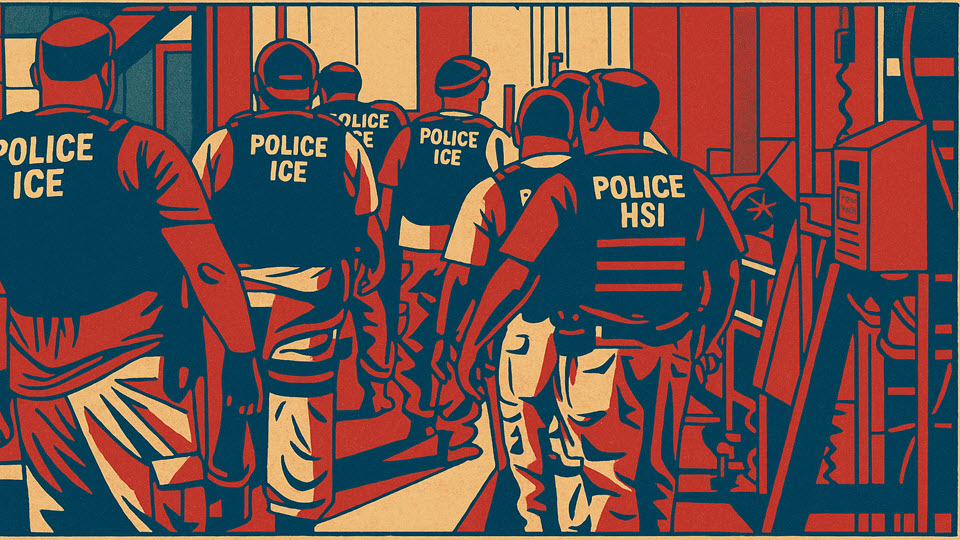
Judge Orders Release of 300 ICE Detainees
Judge Jeffrey Cummings Orders Release of 300 Immigration Detainees by Next Week
A Major Setback for Federal Immigration Enforcement
In a sweeping ruling out of Chicago, a federal judge has ordered that hundreds of people detained during recent immigration enforcement operations be released by next week. The decision represents one of the most significant judicial rebukes of immigration enforcement practices in recent years.
Judge Jeffrey Cummings, of the U.S. District Court for the Northern District of Illinois, found that federal authorities had violated a longstanding consent decree that limits the power of immigration agents to conduct warrantless arrests in the region. He ordered the Department of Homeland Security to begin releasing detainees whose arrests did not comply with those restrictions.
The Numbers Behind the Decision
The court directed immigration authorities to immediately free more than a dozen individuals whose detentions were found to be clearly unlawful. For another group of over 600 detainees, the judge ordered a case-by-case review to determine eligibility for release by the end of next week.
Advocates estimate that approximately 300 of those individuals could be released under the order, either on bond or under supervision while their immigration cases proceed.
The Legal Background
At the center of the ruling is the Castañon Nava Consent Decree, a binding agreement first issued in 2018 after repeated allegations of improper immigration arrests in the Midwest. The decree requires immigration agents to demonstrate probable cause, use valid warrants, or meet specific risk-based criteria before taking individuals into custody.
Judge Cummings concluded that recent operations—part of a large-scale immigration sweep known as “Operation Midway Blitz”—had violated those terms. He stated that the agencies involved failed to comply with the decree’s limits and ordered federal officials to correct the violations immediately.
What the Judge Said
In his opinion, Judge Cummings wrote that immigration enforcement “cannot operate above the law” and that “judicial oversight is necessary to prevent systemic violations of established consent orders.” He emphasized that compliance with court orders “is not discretionary, even for federal agencies acting under executive authority.”
The ruling requires the Department of Homeland Security to provide detailed documentation of each arrest made under the operation and to justify ongoing detentions with clear evidence of flight risk or public-safety threat.
Reaction and Impact
Immigrant-rights advocates praised the ruling as a major victory for due process, calling it proof that judicial checks remain effective even amid heightened enforcement efforts. Legal aid organizations said they were preparing to assist released individuals with housing, employment, and continued case representation.
Federal officials, meanwhile, signaled that they are reviewing the order and assessing its operational impact. Some expressed concern that rapid releases could strain immigration courts already dealing with large caseloads.
Wider Implications
The ruling is likely to influence immigration enforcement strategies beyond Illinois. Other regions with similar consent decrees or ongoing lawsuits may look to this case as a model for challenging large-scale raids and warrantless detentions.
Legal analysts note that the decision reinforces the judiciary’s role in balancing executive power and individual rights, especially when national security and immigration policy intersect.
What Happens Next
The Department of Homeland Security must submit its compliance report within days, listing all detainees affected by the order and identifying those scheduled for release. The court will monitor the process to ensure adherence to the decree.
If the ruling stands, hundreds of individuals could walk free by the end of next week—marking a rare moment when a federal court’s intervention directly reshapes immigration enforcement on a large scale.
