
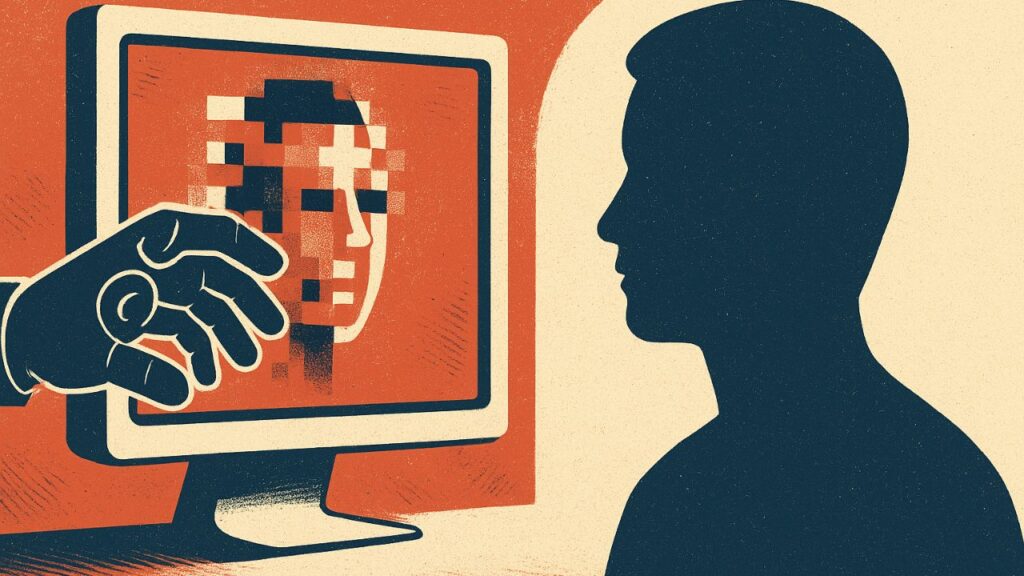
AI fraud bill seeks to criminalize deepfakes of federal official
A bipartisan bill — AI Fraud Deterrence Act — recently proposed in the U.S. Congress aims to update federal fraud laws to respond to the growing threat posed by AI‑generated deepfakes and other AI‑assisted deception. The measure seeks to explicitly criminalize the use of artificial intelligence to impersonate federal officials, and to expand definitions and penalties for fraud when AI is used to commit it.
Under the bill, using AI to impersonate a federal official — for example, generating a fake video or audio of a government figure to mislead or defraud — would become a prosecutable offense. The bill also proposes tougher penalties for AI‑assisted fraud against financial institutions, effectively doubling the maximum fines in certain cases.
Supporters argue the bill is necessary because recent advances in generative AI have made deepfakes far more convincing, rendering older detection methods (like looking for distorted limbs or obvious glitches) obsolete.
Experts warn that without updated laws, criminals could exploit AI tools to conduct large‑scale financial scams, identity fraud, or misinformation campaigns targeting public trust in institutions.
The proposal also attempts to preserve protections for legitimate uses of AI — such as satire or parody — by including a carve-out for clearly disclosed, non‑fraudulent deepfakes.
As of now, the bill is only at the proposal stage; it must pass both houses of Congress and be signed into law before its provisions become enforceable. But its introduction marks one of the first serious efforts to modernize fraud laws for the AI era.

⚖️ Key Legal Outcomes (If Passed)
-
Creation of a federal crime specifically targeting AI‑facilitated impersonation of federal (or possibly public) officials through deepfakes or synthetic media.
-
Expanded legal definitions to cover AI‑assisted mail fraud/wire fraud, enabling prosecutors to bring fraud charges when AI is used to falsify communications or documents.
-
Enhanced penalties for fraud committed using AI, including increased fines and possible long-term prison sentences — aiming to deter AI‑driven scams targeting individuals, institutions, or government.
-
Legal carve‑outs for satire, parody or non‑fraudulent uses of AI-generated media — attempting to balance enforcement with protections for free expression.
-
Establishment of a precedent framework for regulating AI‑enabled crimes — paving the way for future legislation addressing AI misuse beyond just fraud (e.g. disinformation, election interference, identity theft).

🧭 Why It Matters
-
Closes a legal gap for modern technology: Traditional fraud statutes weren’t written with AI deepfakes in mind; this bill would ensure the law catches up to rapidly evolving threats.
-
Protects institutions and public trust: By criminalizing impersonation of government officials, the bill aims to prevent scams or propaganda campaigns that could destabilize trust in public institutions.
-
Deters high‑tech financial crime: With stronger penalties and updated rules, criminals might think twice before using AI to defraud banks, investors, or individuals — safeguarding consumers and economic stability.
-
Balances security with free speech: The carve‑outs for satire and non‑fraudulent use acknowledge legitimate creative and journalistic work, attempting to avoid over‑broad censorship.
-
Sets a standard for AI‑era governance: As AI becomes more ubiquitous, having federal laws tailored to AI misuse establishes a baseline for regulation — helping avoid a patchwork of conflicting state laws, and setting a precedent for future AI legislation.
