
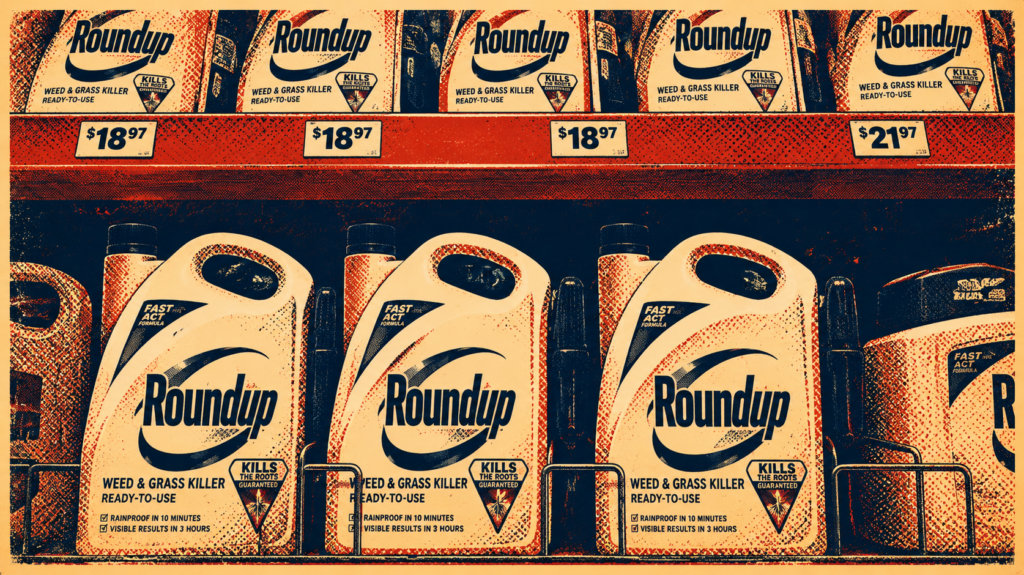
Lawyers Seek $675 Million in Bayer Roundup Settlement Fees
Lawyers representing plaintiffs in the massive Roundup cancer litigation are seeking approximately $675 million in legal fees as part of Bayer’s proposed $7.25 billion settlement intended to resolve thousands of lawsuits alleging that the weedkiller Roundup causes cancer. The request marks another major development in one of the largest and most expensive product liability battles in modern U.S. legal history.
The proposed settlement is aimed at resolving current and future claims connected to Roundup, the glyphosate-based herbicide originally developed by Monsanto, which Bayer acquired in 2018. Plaintiffs across the United States have alleged that long-term exposure to Roundup caused them to develop non-Hodgkin lymphoma and other cancers. Bayer has consistently denied that Roundup causes cancer and maintains that regulatory agencies worldwide continue to consider glyphosate safe when used as directed.
According to court filings, the plaintiffs’ legal team argued that the requested $675 million fee is reasonable given the extraordinary scale and complexity of the litigation. The lawyers described the amount as “modest” relative to the overall settlement size and emphasized that they spent years coordinating discovery, scientific expert testimony, negotiations, and litigation strategy across thousands of individual claims.
The settlement itself remains subject to final court approval, with proceedings reportedly moving toward a July hearing date. If approved, the agreement could resolve a substantial portion of the remaining Roundup litigation while also creating mechanisms for handling future claims involving alleged cancer diagnoses tied to glyphosate exposure.
The Roundup litigation has been a major financial and legal burden for Bayer ever since its acquisition of Monsanto. In the years following the merger, Bayer faced tens of thousands of lawsuits from individuals who claimed exposure to Roundup caused cancer. Several juries awarded massive verdicts to plaintiffs, including multibillion-dollar judgments that, although later reduced on appeal, intensified pressure on Bayer to pursue broader settlement strategies.
Bayer has already paid billions to resolve earlier waves of litigation. In 2020, the company agreed to settlements totaling roughly $10 billion to resolve a large number of existing Roundup cases while continuing to deny wrongdoing. However, lawsuits continued to emerge afterward, prompting Bayer to seek another large-scale resolution strategy in 2026.
Under the new proposal, participation from plaintiffs is considered critical. Reports indicate Bayer reserved the right to withdraw from the settlement if too many claimants opt out of the agreement. This structure reflects the company’s broader effort to reduce long-term uncertainty and limit continuing litigation exposure.
The legal fee request itself is likely to draw scrutiny because courts overseeing class action and mass tort settlements must determine whether attorney compensation is fair and proportionate. Judges often evaluate factors including hours worked, litigation risks, settlement results, and the complexity of the legal issues involved.
Plaintiffs’ attorneys argue that the Roundup litigation required enormous financial investments and years of work against one of the world’s largest pharmaceutical and agricultural companies. The legal teams coordinated extensive scientific evidence, expert witnesses, epidemiological studies, and trial preparation while managing thousands of claimants nationwide.
Critics of large attorney fee awards, however, often argue that massive settlements can disproportionately benefit lawyers compared to individual plaintiffs. Courts sometimes reduce requested fees if judges believe compensation exceeds reasonable standards. Whether the full $675 million request will ultimately be approved remains uncertain.

The Roundup litigation has also become one of the most closely watched product liability battles involving scientific disputes over carcinogenicity and federal labeling law. Plaintiffs generally argue Bayer failed to warn consumers adequately about cancer risks associated with glyphosate exposure. Bayer counters that the Environmental Protection Agency and numerous international regulators have repeatedly concluded that glyphosate is unlikely to pose carcinogenic risks when properly used.
The broader legal battle has had major financial consequences for Bayer. Since acquiring Monsanto, the company has faced sustained investor pressure and declining market confidence tied largely to Roundup-related liabilities. The litigation has repeatedly influenced Bayer’s stock value and corporate strategy, including discussions about restructuring or isolating Monsanto-related liabilities.
The proposed settlement may also shape future mass tort litigation involving pharmaceuticals, chemicals, and consumer products. Legal experts say the case demonstrates how large-scale scientific disputes increasingly drive multidistrict litigation and nationwide settlement negotiations involving thousands of plaintiffs.
At the same time, the litigation continues to fuel broader public debate about pesticide safety, corporate accountability, and the role of scientific evidence in courtrooms. Supporters of the lawsuits argue they hold corporations accountable for failing to warn consumers about potential risks. Bayer and its supporters contend the litigation system has allowed juries to override scientific consensus and regulatory findings.
Ultimately, the settlement and attorney fee request represent another critical phase in the years-long legal conflict over Roundup. While Bayer hopes the agreement will reduce future liability exposure, the outcome of court approval proceedings could determine how much of the litigation finally comes to an end—and how much compensation lawyers and plaintiffs ultimately receive.

⚖️ Key Legal Outcomes
- Plaintiffs’ lawyers requested $675 million in legal fees tied to Bayer’s proposed Roundup settlement.
- Bayer proposed a $7.25 billion settlement to resolve current and future Roundup cancer lawsuits.
- Settlement remains subject to final court approval, with hearings expected in July.
- Litigation centers on allegations that Roundup exposure caused non-Hodgkin lymphoma.
- Bayer continues denying Roundup causes cancer despite ongoing settlements and verdicts.
📌 Why It Matters
- Represents one of the largest product liability settlements in U.S. history.
- Could significantly reduce Bayer’s ongoing legal exposure tied to Roundup claims.
- Highlights continuing legal conflicts over scientific evidence and cancer causation.
- Raises scrutiny over massive attorney fee awards in class action litigation.
- May influence future mass tort settlements involving pharmaceuticals and chemicals.
