
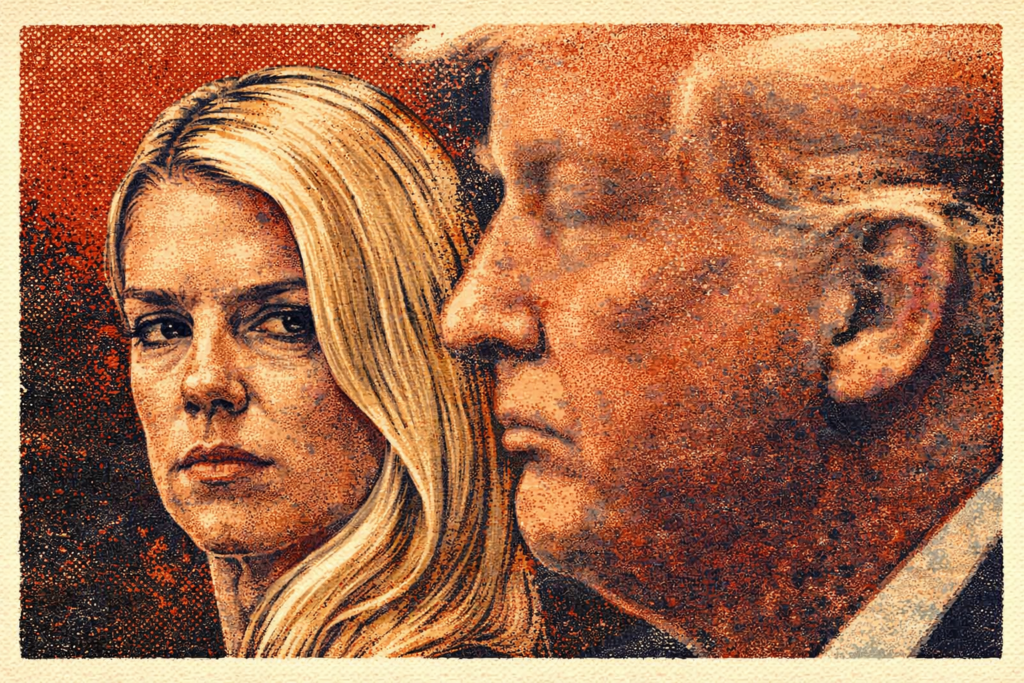
President Trump Fires Attorney General Pam Bondi
U.S. President Donald Trump has fired U.S. Attorney General Pam Bondi, marking one of the most significant Cabinet-level shakeups of his current administration and signaling continued turbulence within the Department of Justice. The decision, confirmed through official statements and social media posts, comes amid growing internal tensions over Justice Department operations, politically sensitive investigations, and leadership direction.
Pam Bondi, who served as Attorney General since early 2025, was dismissed effective immediately and replaced on an acting basis by Deputy Attorney General Todd Blanche, a former personal lawyer to Trump. The White House framed the transition as orderly, with Trump publicly praising Bondi as a “Great American Patriot” and a “loyal friend” while stating she would move into a private-sector role following her departure.
According to multiple reports, the firing followed months of mounting dissatisfaction within Trump’s inner circle regarding Bondi’s performance, particularly her handling of politically sensitive investigations and internal Justice Department priorities. One of the most frequently cited points of friction was her management of investigative materials related to the Jeffrey Epstein case files, which had become a politically charged issue and a source of controversy within Congress and the media.
Bondi’s tenure was characterized by aggressive legal and administrative restructuring of the DOJ, including efforts to prioritize investigations into political opponents of the administration. However, critics argued that many of these efforts failed to result in major convictions or were legally challenged in court, raising concerns about effectiveness and procedural integrity.
Reports indicate that Trump also expressed frustration that certain prosecutions or investigations were not advancing quickly enough, particularly those involving political adversaries. At the same time, internal disputes reportedly emerged over how the DOJ should balance independence versus direct White House policy influence, a long-standing constitutional tension in U.S. governance.

The firing also reflects a broader pattern of leadership turnover within Trump’s administration. It follows other high-profile dismissals and reshuffles across federal agencies, signaling a more assertive approach to executive control over the federal bureaucracy. Observers note that Bondi’s departure is part of a wider restructuring effort aimed at consolidating loyalty and accelerating policy alignment across departments.
Todd Blanche, now serving as acting Attorney General, is expected to maintain continuity while the administration considers a permanent replacement. Early reporting suggests potential candidates include other Trump-aligned legal and political figures, though no official nomination has been announced.
Political reactions have been sharply divided. Supporters of the administration argue that leadership changes are necessary to ensure effectiveness, accountability, and alignment with voter expectations. Critics, however, warn that frequent dismissals of senior officials in the Justice Department risk undermining institutional independence and could erode public trust in the legal system.
Bondi herself issued a brief public statement after her dismissal, thanking the president for the opportunity to serve and expressing continued support for the administration’s agenda. She also signaled that she intends to remain active in public or private legal work moving forward, consistent with reports that she will transition into the private sector.
Overall, the firing underscores ongoing tensions between political leadership and institutional governance within the U.S. Justice Department. It highlights recurring debates over prosecutorial independence, the role of political loyalty in federal appointments, and the boundaries of executive authority in shaping legal enforcement priorities.
As the administration moves forward, the replacement of Bondi is likely to have significant implications for ongoing federal investigations, DOJ policy direction, and broader debates about the politicization of law enforcement in the United States.

⚖️ Key Legal / Political Outcome
- President Donald Trump dismissed U.S. Attorney General Pam Bondi from her position immediately, ending her tenure at the Department of Justice and triggering a rapid leadership transition at one of the most powerful agencies in the U.S. federal government.
- Deputy Attorney General Todd Blanche was installed as acting Attorney General, ensuring continuity of operations within the DOJ while the administration considers whether to nominate a permanent replacement. This type of interim appointment is standard under federal succession rules when Cabinet officials are removed.
- The decision is reportedly linked to internal disputes over Justice Department priorities, including disagreements about how aggressively certain investigations should be pursued and how closely DOJ actions should align with White House policy goals. These tensions are common in administrations but become more visible during leadership changes.
- One of the reported flashpoints involved the handling of politically sensitive investigative material, including references tied to the Epstein-related case files, which have been a recurring source of political controversy and public scrutiny. While specific operational details remain unclear, this issue was cited in multiple reports as part of broader dissatisfaction.
- Bondi’s exit is expected to transition into a private-sector legal or advisory role, consistent with the typical post-government career path for former high-ranking Justice Department officials. Her departure also opens the door for a potential reshaping of DOJ leadership priorities depending on her successor.
📌 Why It Matters
- This firing represents a significant leadership disruption at the U.S. Department of Justice, an institution that plays a central role in enforcing federal law, overseeing prosecutions, and maintaining legal stability across the country.
- It raises renewed concerns about political influence over law enforcement decisions, particularly in cases where DOJ priorities may shift depending on executive leadership preferences rather than traditional institutional independence.
- The change in leadership could directly affect ongoing federal investigations and enforcement actions, especially those involving high-profile political or financial figures, where continuity and independence are often considered essential.
- It reflects a broader pattern of strong executive control over federal agencies, where senior officials are replaced to ensure alignment with the administration’s policy direction, reinforcing debates about the balance of power between the White House and independent agencies.
- The situation intensifies long-standing constitutional debates about the independence of the Justice Department versus presidential authority, a tension that has existed for decades but becomes especially visible during high-profile dismissals like this one.
