
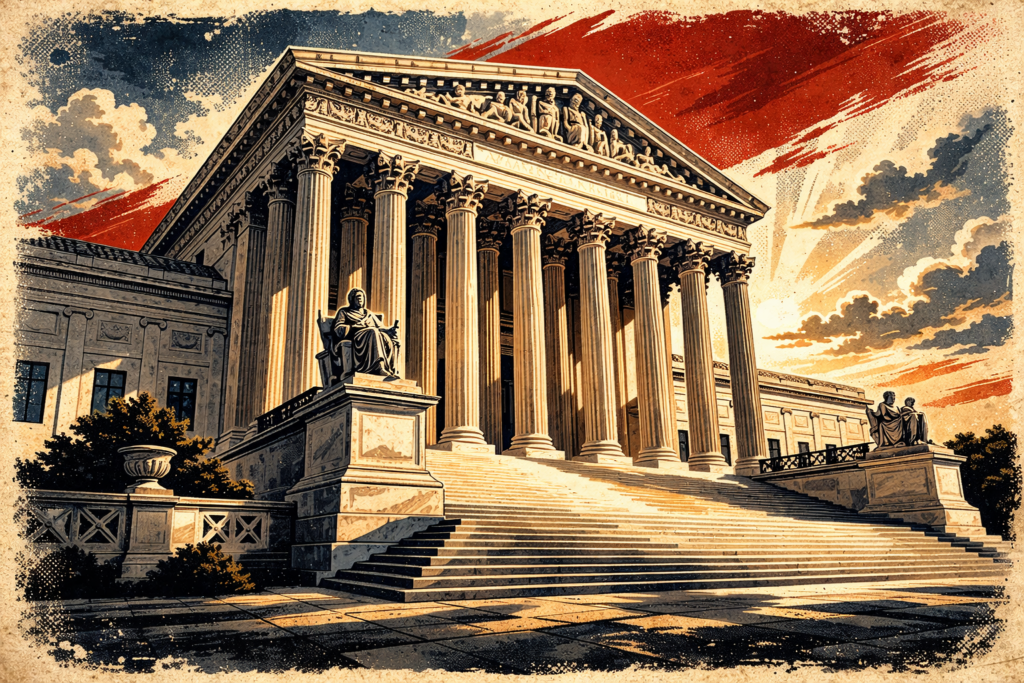
SCOTUS Refuses To Pause Apple Contempt Order in Epic Case
The U.S. Supreme Court has declined to temporarily block a lower court ruling that held Apple Inc. in contempt for violating a court order tied to its long-running antitrust battle with Epic Games over App Store payment policies. The decision marks another major setback for Apple in one of the technology industry’s most closely watched legal disputes involving digital marketplaces, app developer fees, and platform competition.
Justice Elena Kagan, acting on behalf of the Supreme Court, rejected Apple’s emergency request to pause enforcement of the contempt ruling issued by the 9th U.S. Circuit Court of Appeals. The Supreme Court’s refusal means Apple must continue litigating the matter before U.S. District Judge Yvonne Gonzalez Rogers in California while broader appeals continue.
The dispute originates from Epic Games’ 2020 lawsuit accusing Apple of maintaining an illegal monopoly over app distribution and payment processing on iPhones and iPads through its App Store policies. Epic, led by CEO Tim Sweeney, challenged Apple’s requirement that developers use Apple’s in-app payment system, which typically charges commissions of up to 30% on digital purchases.
Although Apple largely prevailed in the original trial in 2021, Judge Gonzalez Rogers ruled that Apple violated California unfair competition law through so-called “anti-steering” rules that prevented developers from directing users to alternative payment systems outside the App Store. The judge ordered Apple to allow developers to include external payment links and other mechanisms informing consumers about alternative purchasing options.
Apple later implemented revised App Store policies allowing outside payment links but still imposed a 27% commission on many purchases made through external payment systems within seven days of users clicking those links. Epic Games argued that Apple’s revised system intentionally undermined the spirit of the injunction and preserved Apple’s control over digital transactions.
In 2025, Judge Gonzalez Rogers ruled that Apple had “willfully” violated the injunction and held the company in civil contempt. The judge found that Apple’s restrictions and commissions effectively preserved anticompetitive barriers despite the earlier court order. The ruling also included accusations that Apple executives had provided misleading testimony during proceedings related to App Store compliance efforts.
Apple appealed the contempt ruling to the 9th Circuit, but the appeals court upheld most of the lower court’s decision. Apple then sought emergency intervention from the Supreme Court, arguing that the ruling would affect millions of app transactions and create uncertainty not only in the United States but potentially in global regulatory disputes involving digital marketplaces. Apple maintained that the injunction should not broadly apply to developers beyond Epic Games itself.
The Supreme Court’s refusal to intervene immediately means Apple must now return to district court proceedings to determine what commissions, if any, it can legally charge developers using external payment systems. Epic Games argues Apple should not be allowed to impose commissions on purchases processed outside Apple’s infrastructure, while Apple contends it deserves compensation for providing access to its ecosystem and App Store services.

Tim Sweeney celebrated the Supreme Court’s decision, saying the justices rejected Apple’s attempt to further delay compliance with the injunction. Epic has consistently argued that Apple’s conduct harms both consumers and developers by artificially inflating digital prices and limiting competition in mobile app distribution.
The case has become a global symbol of the broader debate over the power of dominant technology platforms. Regulators in Europe, Asia, and other jurisdictions have closely monitored the litigation while pursuing their own investigations into App Store fees and platform restrictions. Legal analysts say the outcome could significantly influence how app marketplaces operate worldwide and how much control technology companies can exert over third-party developers.
The ruling also has substantial financial implications. Apple’s App Store generates billions of dollars annually through commissions on app purchases and subscriptions. Even modest reductions in commission rates or loosening restrictions on external payments could reshape revenue models across the mobile technology industry. Developers including gaming companies, streaming platforms, and subscription services have long criticized Apple’s fee structure as excessive and anticompetitive.
Meanwhile, Epic Games continues pushing to return its popular game Fortnite fully to Apple’s U.S. App Store under terms allowing alternative payment systems. The dispute between the two companies has stretched across multiple courts and regulatory arenas since Apple removed Fortnite from the App Store in 2020 after Epic intentionally bypassed Apple’s payment system.
The Supreme Court’s latest action does not end the litigation, but it signals that Apple faces an increasingly difficult battle in defending its App Store policies against judicial scrutiny and growing international regulatory pressure.

Key Legal Outcomes
- The U.S. Supreme Court declined Apple’s request to pause the contempt ruling.
- Apple must continue proceedings before Judge Yvonne Gonzalez Rogers regarding App Store commissions.
- The 9th Circuit previously upheld the lower court’s contempt finding against Apple.
- Courts ruled Apple violated a prior injunction concerning external payment options for developers.
- Epic Games may continue pursuing broader App Store reforms during ongoing litigation.
Why This Matters
- The case could reshape how digital app marketplaces operate globally.
- Developers may gain greater freedom to bypass Apple’s payment systems and commissions.
- The ruling increases pressure on large technology platforms facing antitrust scrutiny.
- Global regulators are closely monitoring the litigation for potential policy reforms.
- Apple’s lucrative App Store revenue model could face major long-term changes.
