
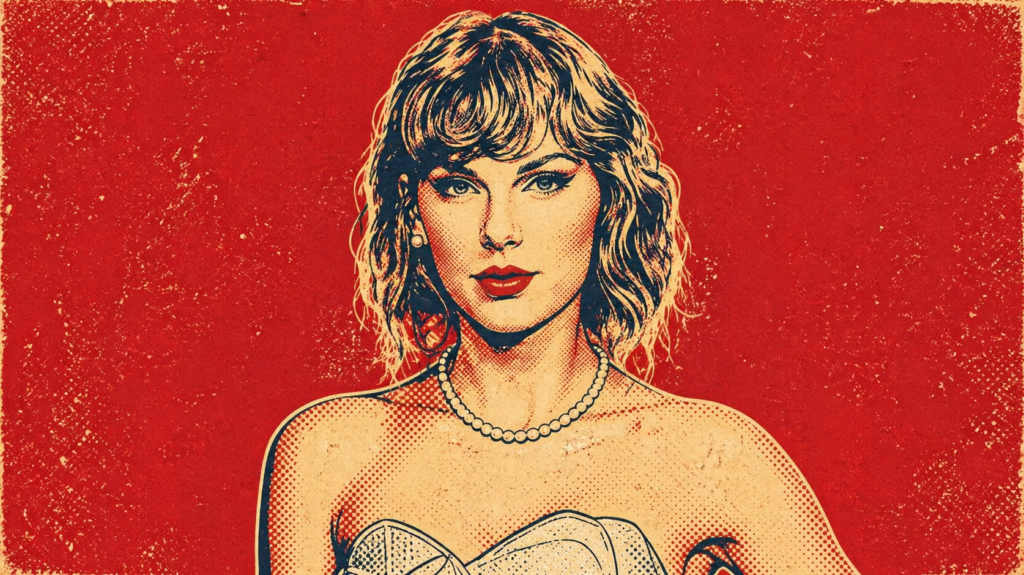
Taylor Swift Files Trademarks To Fight AI Deepfakes
Global pop superstar Taylor Swift has taken a novel legal step to protect her identity in the age of artificial intelligence, filing trademark applications covering her voice and likeness to combat the growing threat of AI-generated deepfakes.
The filings, submitted through her company TAS Rights Management, include two audio trademarks—short clips of Swift saying phrases like “Hey, it’s Taylor Swift”—as well as a visual trademark covering a specific image of her performing on stage. These applications were filed with the U.S. Patent and Trademark Office and are designed to give Swift additional legal tools to prevent unauthorized use of her identity in digital media.
The move comes amid increasing concern over the rapid rise of deepfake technology, which allows realistic audio, video, and images to be generated using artificial intelligence. Swift herself has previously been a target of AI misuse, including the spread of manipulated images and false endorsements online. These incidents have raised broader concerns about consent, privacy, and reputational harm for public figures.
Traditionally, celebrities rely on a combination of copyright law, trademark law, and rights of publicity to protect their identity. However, these legal frameworks were not designed with AI-generated replicas in mind. By trademarking specific elements of her voice and image, Swift is attempting to expand legal protections into an area where the law is still evolving.
Legal experts say this strategy is relatively new and largely untested in courts. Trademark law typically protects brand identifiers—such as logos, slogans, and distinctive sounds—against uses that could confuse consumers. By registering her voice clips as trademarks, Swift may be able to argue that AI-generated imitations that sound similar could create consumer confusion, particularly in advertising, endorsements, or commercial content.

The filings also reflect a growing trend among celebrities and public figures seeking to safeguard their identities from AI misuse. Other figures, including actors and entertainers, have explored similar legal strategies, signaling a broader shift toward proactive protection in the digital age.
Importantly, this legal approach does not guarantee success. Courts have yet to fully address how trademark law applies to AI-generated content, especially when the imitation is not an exact copy but is still recognizable. The key legal question will likely revolve around whether such uses are “confusingly similar” and whether they create a false impression of endorsement.
Beyond individual protection, the case highlights a larger gap in regulation. Policymakers and legal scholars have warned that existing laws may be insufficient to address the risks posed by deepfakes, including misinformation, fraud, and reputational damage. Swift’s filings can be seen as both a personal legal strategy and a signal of the need for broader legislative action.
For Swift, the move aligns with her long-standing approach to controlling her intellectual property and brand. Over the years, she has aggressively protected her music rights, trademarks, and public image, making her one of the most legally proactive artists in the industry.
The implications of this case extend beyond the entertainment world. As AI technology becomes more accessible, individuals across industries may face similar risks of having their voice or likeness replicated without consent. Swift’s legal strategy could serve as a blueprint for others seeking to protect their identity in a rapidly changing technological landscape.
Ultimately, the filings represent a forward-looking attempt to adapt existing legal tools to new technological challenges. Whether courts will uphold this approach remains uncertain, but the case underscores a critical reality: the law is still catching up to the capabilities of artificial intelligence.

⚖️ Key Legal Outcomes
- Taylor Swift filed trademark applications for her voice and likeness.
- Applications include audio clips and a specific performance image.
- Strategy aims to combat AI-generated deepfakes and impersonations.
- Legal approach uses trademark law to expand identity protection.
- The method is novel and largely untested in U.S. courts.
📌 Why It Matters
- Highlights growing threat of AI deepfakes and identity misuse.
- Could redefine how intellectual property law applies to AI content.
- Sets potential precedent for celebrity and personal branding protection.
- Exposes gaps in existing laws regulating AI-generated media.
- May influence future legislation on digital identity and consent.
