
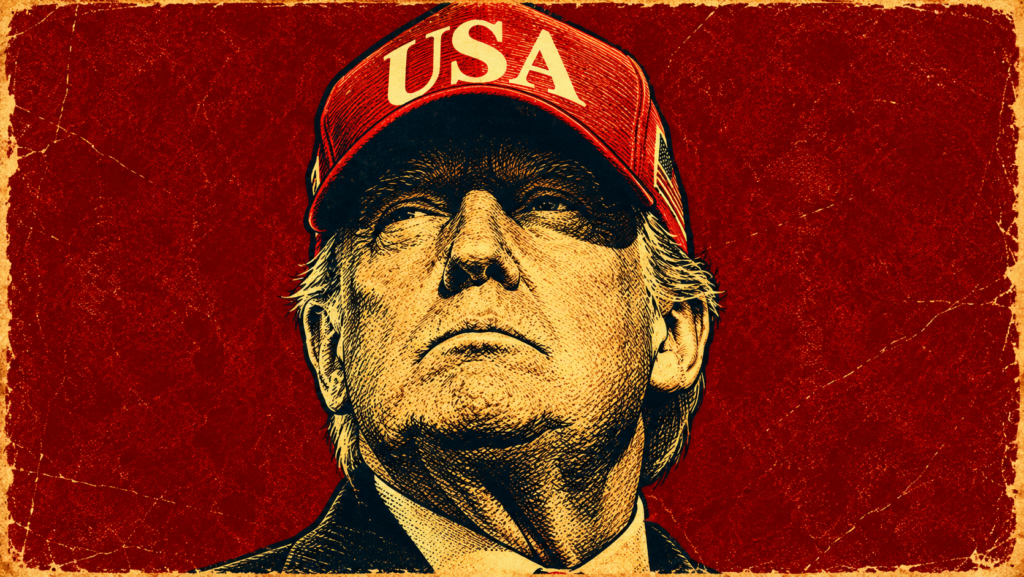
Trump Claims Election Fraud After Crushing Midterm Defeat
President Donald Trump has once again questioned the integrity of an American election after Republicans suffered a sweeping defeat in the November 3, 2026, midterm elections. Just days after initially acknowledging the results and indicating that he was willing to accept the outcome, Trump returned to making unsupported allegations of election fraud. His latest statements have raised concerns about whether he is attempting to undermine confidence in the Democratic victories and prepare the political ground for challenging the results.
On November 9, Trump used his Truth Social platform to question whether the midterm elections had been honest. He expressed disbelief that polling had failed to predict the final results accurately and suggested that early voting numbers and voting machines had played an improper role. However, he provided no verifiable evidence that widespread fraud occurred, that voting machines changed results or that ballots were improperly counted. Election officials had not reported evidence of widespread wrongdoing that would explain the Democratic victories.
Trump’s comments represented a reversal of his earlier public response to the election. On election night, he told reporters that he was willing to accept the results and acknowledged that Democrats had run a successful campaign. He also expressed an interest in working with the incoming Democratic congressional majority. His subsequent decision to question the legitimacy of the results has renewed concerns about his longstanding pattern of challenging elections when his preferred candidates lose.
The president specifically questioned the accuracy of pre-election polling, suggesting that the difference between polling expectations and the final results indicated something suspicious. However, public surveys had generally anticipated substantial Democratic gains. Although many polls underestimated the scale of the victories, the overall direction of the results was not unexpected. Democrats had campaigned on economic dissatisfaction, rising household expenses and opposition to the administration’s military involvement in Iran. These issues helped explain the party’s improved performance across the country.

Trump also raised questions about early voting, claiming that unusually large batches of ballots made it impossible for Republican candidates to win regardless of how many people voted. However, the existence of large early-voting or mail-ballot reporting batches is not, by itself, evidence of fraud. Election officials routinely report results in groups as ballots are processed and counted. The timing and size of those reports can vary between jurisdictions depending on local election procedures. No evidence has been presented showing that the reported batches represented fabricated or improperly counted votes.
Another target of Trump’s accusations was voting technology. He suggested that voting machines were more important than individual voters, implying that the equipment may have influenced the election outcome. Yet he did not identify specific machines, jurisdictions, technical failures or investigations demonstrating that votes were changed. Election security experts have repeatedly explained that claims involving voting technology require verifiable evidence, such as documented system compromises, discrepancies in paper records or audit findings. General suspicion about machines does not establish that an election was manipulated.
The Democratic victories were particularly damaging to Trump’s political standing because the party secured control of both chambers of Congress. The results followed growing public frustration over the economy, fuel prices and the war with Iran. Trump had previously acknowledged that the conflict and higher gasoline prices contributed to Republican losses. His latest fraud allegations shift attention away from those political explanations and toward claims that the election itself was unfair. Critics argue that this approach risks avoiding responsibility for the administration’s unpopular decisions.
The president’s latest statements also echo his response to the 2020 presidential election, which he lost to Joe Biden. After that defeat, Trump repeatedly claimed that widespread fraud had stolen the election, despite a lack of evidence supporting his allegations. His campaign and allies pursued numerous unsuccessful legal challenges, while pressure mounted on state officials to overturn certified results. His refusal to accept the outcome contributed to the political environment preceding the January 6, 2021, attack on the U.S. Capitol.
Democratic leaders quickly criticized Trump’s renewed accusations. Senate Democratic leader Chuck Schumer described the president’s return to election denial as an attempt to avoid confronting the political consequences of his administration’s performance. Democrats argue that voters delivered a clear message through the midterms and that Trump’s allegations threaten public confidence in the democratic process. They have also emphasized that the incoming congressional majority will have the authority to conduct oversight investigations and challenge administration policies.
The political consequences could extend beyond the immediate dispute over election results. Trump’s accusations may further deepen divisions within the Republican Party, particularly among officials who must decide whether to defend the president’s statements or acknowledge the electoral setback. Republican candidates who lost their races may also face pressure to respond to questions about election integrity. If party leaders repeat unsupported allegations, they risk damaging public confidence in election administration and creating additional divisions among voters.
The new Democratic majority is expected to assume control of Congress in January 2027. That transition will give Democrats significant investigative authority, including the ability to lead congressional committees and issue subpoenas as part of oversight proceedings. Trump will retain his presidential powers, including the ability to veto legislation, but his administration will face a more hostile legislative environment. The president’s response to the midterms could therefore influence the relationship between the White House and Congress during the final two years of his term.
Ultimately, Trump’s allegations have not been supported by evidence demonstrating widespread fraud in the 2026 midterm elections. Questioning election procedures is legitimate when credible irregularities are identified, but claims of a rigged election require specific facts and verifiable proof. The president’s reversal from accepting the results to publicly questioning their honesty has renewed a national debate about election denial, political accountability and the responsibility of public officials to respect democratic outcomes. The central question is no longer simply why Republicans lost, but whether the president will accept the voters’ decision.

Key Legal and Political Outcomes
- No evidence of widespread fraud: Trump questioned the election’s legitimacy but did not provide verifiable evidence of widespread irregularities.
- Reversal of his earlier position: The president initially indicated that he would accept the midterm results before renewing his accusations.
- Voting machines questioned: Trump suggested that voting technology affected the outcome without identifying specific evidence of manipulation.
- Democratic leaders respond: Democrats condemned the allegations and defended the legitimacy of the election results.
- Congressional power shifts: Democrats are preparing to take control of both chambers in January 2027, giving them expanded oversight authority.
Why It Matters
- Public confidence in elections: Unsupported fraud claims can weaken trust in the country’s democratic institutions.
- A familiar political pattern: Trump’s latest statements resemble his efforts to challenge the 2020 presidential election results.
- Accountability for political losses: The allegations shift attention away from economic concerns and unpopular administration policies.
- Potential congressional investigations: The incoming Democratic majority will have greater authority to investigate the administration.
- The future of American democracy: Whether political leaders accept legitimate election results remains essential to peaceful transfers of power.
