
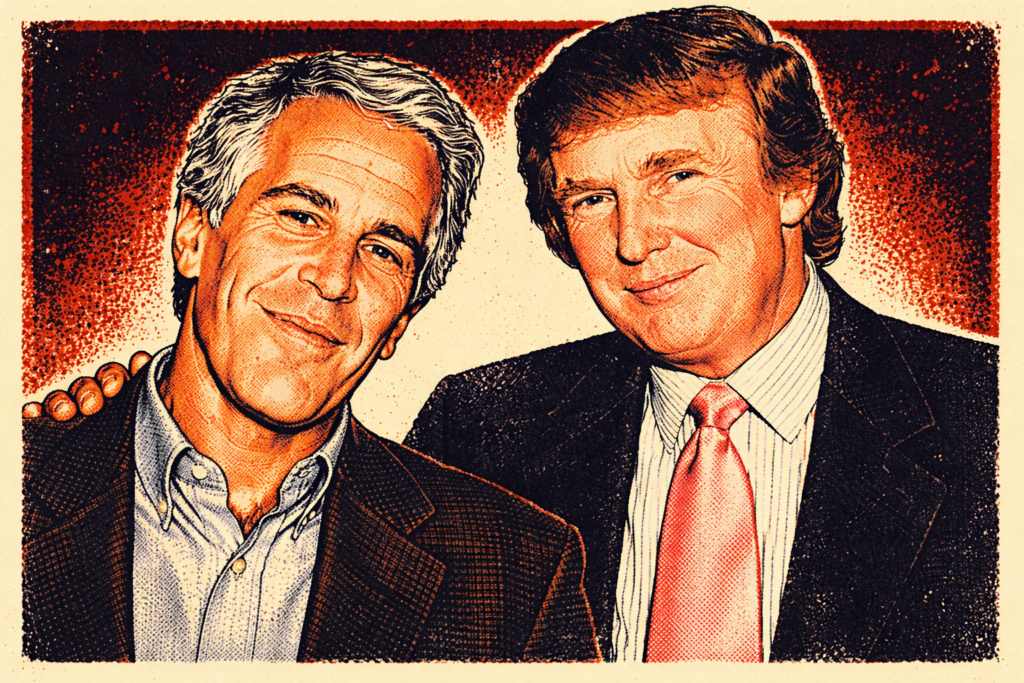
Trump Linked to 13-Year-Old Accuser Claims
A new investigative report has added a complex layer to ongoing debate about allegations of sexual abuse involving U.S. President Donald Trump and the late financier Jeffrey Epstein, emerging from previously withheld FBI files connected to Epstein’s broader criminal network. The report, published by The Post and Courier and released publicly on March 30, 2026, corroborates certain personal details provided by a South Carolina woman who claims that she was sexually assaulted as a minor in the 1980s — including encounters allegedly involving Epstein, Trump, and a third unnamed man.
The woman, who was allegedly 13 years old at the time of the incidents she described, spoke to FBI agents on multiple occasions in 2019 as part of the broader Epstein-related investigation. Her interviews were included in a tranche of files that the Department of Justice (DOJ) had not fully released when it initially made millions of Epstein files public. Those files had contained summaries of her testimony and references to encounters with Epstein and others.

According to the recently released investigative report, The Post and Courier verified several parts of the woman’s personal narrative — including specific biographical and background details — through archived government and court records, public documents, and independent reporting. Among the elements verified was the identity and background of a third man she accused of sexually abusing her, described in official summaries as Jimmy Atkins. Those corroborated facts lend weight to at least parts of her account, though they do not directly confirm the specific allegations she made against Trump.
The woman’s claims about Trump center on an alleged encounter in the mid‑1980s when Trump was a prominent New York and Atlantic City developer. In FBI interview summaries, she said that Epstein introduced her to Trump at a large building — believed to be in New York or New Jersey — where she claims Trump asked others to leave before making sexual advances. In one account, she alleges that Trump attempted to force her to perform a sexual act on him and that when she resisted and bit him, he struck her and ordered others to remove her from the room.
The White House has responded forcefully to the emerging documentation, categorically denying the allegations and calling them baseless. Trump himself has repeatedly denied ever engaging in such conduct, and aides have dismissed the entire narrative as false and politically motivated. The DOJ has also stated that the previously withheld documents were released after being “incorrectly coded as duplicative” and there has been no official statement suggesting criminal proceedings or charges related directly to the specific claims against Trump.
An additional layer of controversy involves a set of pages linked to the woman’s interviews that some lawmakers and watchdogs note have not yet been publicly disclosed. Critics argue that those missing pages might contain further references or context, while the DOJ maintains that withheld material is related to active investigations or duplicate records. Republicans and Trump allies have insisted that the focus on these allegations is an effort to distract from current political issues. Meanwhile, civil liberties advocates say full transparency is critical to ensuring accountability and fairness.
The corroborated evidence covers peripheral details — such as the third man’s identity and aspects of the woman’s mother’s legal history — not the specific interactions with Trump alleged in the interview summaries. Legal experts stress that verification of background facts does not equate to validation of claims, but it does influence public and journalistic interpretation of trustworthiness. The situation continues to evolve as public demands for transparency grow and as media outlets analyze and contextualize the newly corroborated information within the broader history of public allegations involving Trump and other powerful figures linked to Epstein’s network.

⚖️ Key Legal Outcomes
- DOJ released previously withheld summaries of FBI interviews with the accuser, opening public scrutiny.
- Independent investigation verified several personal details from the woman’s account through public records.
- Corroborated evidence pertains mainly to peripheral aspects and a third accused abuser, not direct proof against Trump.
- No criminal charges have been filed against Trump related to these specific claims.
- Questions remain about “missing” pages of FBI files not yet released, raising possible legal transparency issues.
❗ Why It Matters
- It fuels ongoing national discourse on accountability for powerful figures linked to sexual abuse networks.
- Corroboration of peripheral facts changes public perception of the accuser’s credibility, even if core allegations remain unproven.
- The handling of Epstein files by the DOJ and FBI has become a flashpoint in debates over government transparency.
- It intersects with broader political tensions, given Trump’s position as President and public figure.
- It raises broader questions about how sexual abuse claims from decades past are investigated, documented and made public.
