
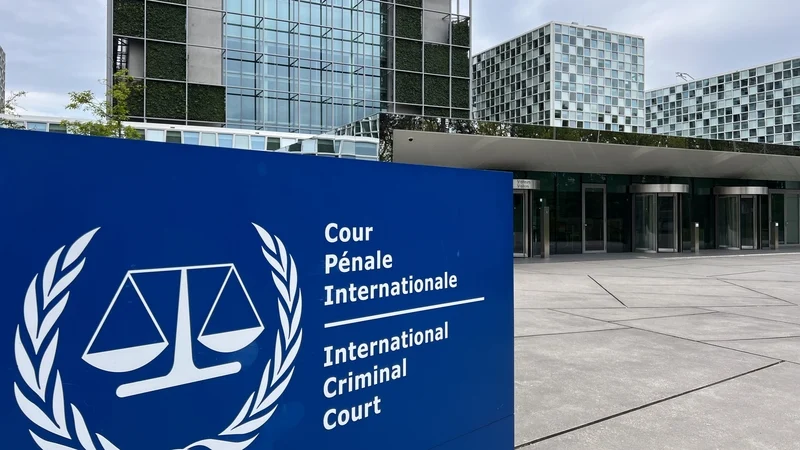
U.S. Expands Sanctions Against ICC Judges and Prosecutors Over War Crime Investigations
The United States has deepened its confrontation with international justice institutions by expanding sanctions against four senior officials from the International Criminal Court (ICC). The targeted individuals include Canadian Judge Kimberly Prost, French Judge Nicolas Guillou, Fijian prosecutor Nazhat Shameem Khan, and Senegalese prosecutor Mame Mandiaye Niang. These sanctions, announced by the State Department under Secretary Marco Rubio, freeze any assets held by the officials in U.S. jurisdictions and cut them off from conducting financial transactions involving American institutions. This escalation follows months of political and legal tension between Washington and The Hague, especially concerning the ICC’s pursuit of war crimes investigations involving U.S. forces and Israeli leaders.
At the core of the dispute are ICC probes into allegations of torture and unlawful killings committed by U.S. military personnel in Afghanistan, as well as charges of war crimes leveled against Israeli Prime Minister Benjamin Netanyahu and former Defense Minister Yoav Gallant. The ICC has issued arrest warrants for both Israeli officials, drawing strong condemnation from Israel and a forceful defense from the U.S., which has characterized the proceedings as politically motivated and illegitimate. Rubio argued that these sanctions are a “necessary defense” against an overreach that undermines U.S. sovereignty. Israel, in turn, welcomed the move, while international legal advocates called it a blow to judicial independence.

The sanctions not only deepen U.S. resistance to the ICC but also amplify long-standing questions about the balance between sovereignty and international accountability. Critics say that by targeting judges and prosecutors directly, Washington risks establishing a dangerous precedent where powerful nations can punish legal officials for doing their jobs. The ICC, for its part, has condemned the sanctions as “interference with the administration of justice” and warned that such actions erode the rule of law on the global stage. United Nations officials echoed these concerns, noting that judicial independence must be respected if international law is to function.
Diplomatically, the move further complicates America’s relations with allies in Europe who support the ICC. France and Canada, whose nationals are among those sanctioned, immediately protested the U.S. decision.

They stressed that the independence of their judges cannot be compromised by foreign political measures and warned that such actions weaken multilateral cooperation on justice and human rights. This clash highlights a growing rift between Washington and its traditional allies, with sovereignty-driven policies gaining traction in U.S. foreign policy under Trump’s second term.
Looking ahead, the sanctions raise serious questions about the effectiveness of the ICC’s ongoing investigations and whether other states will feel emboldened to undermine the court’s authority. While the U.S. argues that it is defending its citizens and partners from illegitimate legal targeting, the measures also embolden critics who claim America uses selective justice to shield itself and its allies from accountability. The broader impact of these sanctions will likely be seen in the ICC’s ability—or inability—to carry forward investigations without intimidation, shaping the trajectory of global justice for years to come.
Key Legal Outcomes
-
Asset freezes and financial restrictions: ICC judges and prosecutors now face barriers in accessing U.S.-linked assets.
-
International legal retaliation: Sets precedent for states to punish judicial officials outside domestic jurisdiction.
-
Chilling effect on ICC independence: Raises doubts about whether prosecutors will pursue politically sensitive cases.
-
Strained relations with allies: Canada and France strongly opposed sanctions targeting their judges.
-
Erosion of judicial norms: Signals that sovereignty claims can override international justice obligations.
Why It Matters
-
Challenges international law norms: Undercuts the authority of global tribunals to hold nations accountable.
-
Expands sovereignty-first policies: Strengthens the U.S. position that its citizens are beyond ICC reach.
-
Weakens credibility of ICC: May reduce its ability to prosecute major cases of war crimes.
-
Intensifies global rifts: Splits U.S. from allies who back the court’s independence.
-
Long-term precedent risk: Encourages other states to adopt similar measures against judges and prosecutors.
Publication Date: August 20, 2025
Outlet: AP News
