
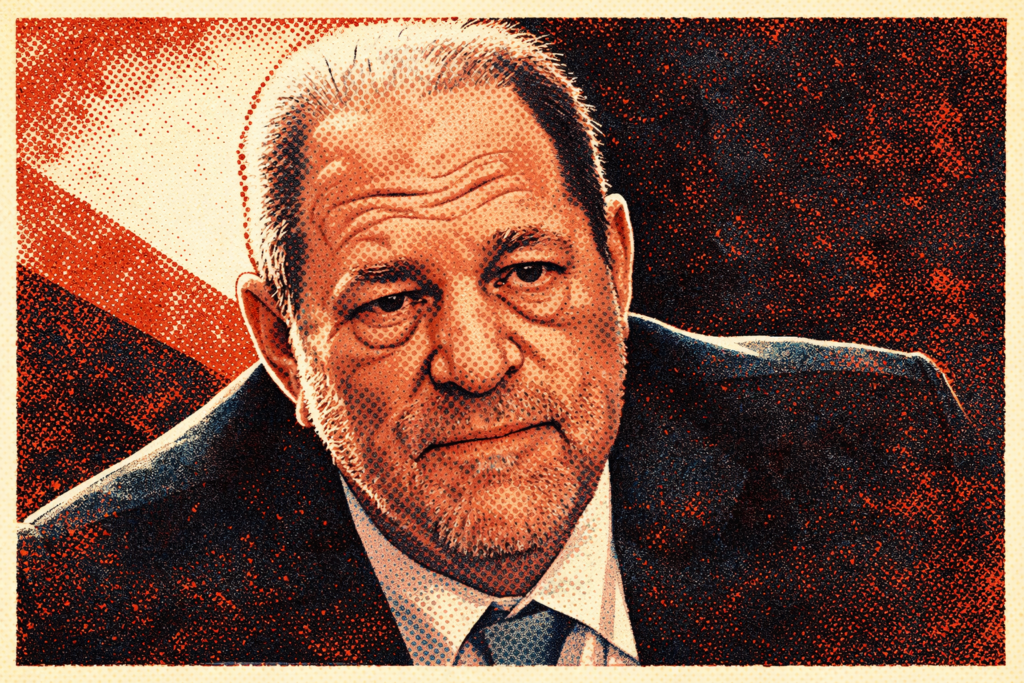
Weinstein Weighs Taking Stand In Rape Case
Harvey Weinstein is once again at the center of a high-profile legal battle as he considers testifying in his New York rape retrial—a move that would mark a major shift in his defense strategy after years of remaining silent in court.
The retrial focuses on allegations made by Jessica Mann, an aspiring actress who claims Weinstein raped her in a Manhattan hotel in 2013. This case has already gone through multiple legal phases, including a prior conviction that was later overturned by New York’s highest court in 2024 due to procedural errors. A subsequent retrial in 2025 resulted in a mixed verdict: Weinstein was convicted of sexually assaulting another accuser, Miriam Haley, but the jury was unable to reach a decision on the rape charge involving Mann, leading to the current retrial.
As jury selection begins again in 2026, Weinstein has indicated that he is weighing whether to take the witness stand—something he has never done in any of his previous criminal trials. In a phone interview from Rikers Island, he expressed regret about not testifying in earlier proceedings and suggested that his decision will depend on how the trial unfolds.
Testifying would be a high-risk, high-reward move. On one hand, it would allow Weinstein to directly present his version of events to the jury, potentially humanizing himself and countering the prosecution’s narrative. On the other hand, it would expose him to intense cross-examination, where prosecutors could challenge his credibility, confront him with prior statements, and probe inconsistencies in his defense.

The prosecution, led by the Manhattan District Attorney’s office, is preparing to retry the case with a narrower focus. Unlike previous trials that included multiple accusers, this retrial centers primarily on Jessica Mann’s allegations. Prosecutors have emphasized the emotional and psychological toll on victims who have testified repeatedly over the years, underscoring the stakes of the case not only for Weinstein but also for the broader #MeToo movement.
Weinstein continues to deny all allegations of non-consensual sex. His defense team has consistently argued that his relationships with accusers were consensual and that any interactions were part of mutually agreed arrangements within the entertainment industry. This defense strategy has remained largely unchanged across multiple trials, though the potential decision to testify could signal a shift in how aggressively Weinstein intends to present his case.
The retrial is expected to last several weeks and is being closely watched by legal experts, advocates, and the public. It represents yet another chapter in one of the most consequential legal sagas of the #MeToo era—a movement that was significantly fueled by the wave of allegations against Weinstein that first surfaced in 2017.
The outcome of this trial could have major implications. If convicted on the rape charge, Weinstein could face additional prison time on top of his existing sentences, including a 16-year term from a California conviction. At the same time, the case continues to test how courts handle complex sexual assault allegations, particularly those involving power dynamics, consent, and delayed reporting.
Beyond Weinstein himself, the case also reflects evolving legal standards and societal attitudes toward sexual misconduct. Courts are increasingly scrutinizing how evidence is presented and how juries are instructed in such cases, especially after earlier rulings identified procedural errors. This retrial, therefore, is not only about determining Weinstein’s guilt or innocence but also about refining the legal processes that govern similar cases in the future.
Ultimately, Weinstein’s decision on whether to testify could become a defining moment in the trial. It will shape not only the courtroom dynamics but also public perception of the case, potentially influencing the jury’s interpretation of the evidence and the credibility of both sides.

⚖️ Key Legal Outcomes
- Harvey Weinstein is considering testifying in his New York rape retrial.
- The retrial stems from a hung jury on a rape charge involving Jessica Mann.
- Weinstein’s earlier New York conviction was overturned due to procedural errors.
- He was previously convicted of sexual assault in a related case involving another accuser.
- A conviction in this retrial could result in additional prison time on top of existing sentences.
📌 Why It Matters
- Could set a precedent on defendants testifying in high-profile sexual assault trials.
- Impacts the ongoing #MeToo movement and accountability cases.
- Highlights evolving legal standards on consent and evidence handling.
- May influence how future retrial strategies are approached in criminal law.
- Shapes public perception of justice in high-profile celebrity cases.
