
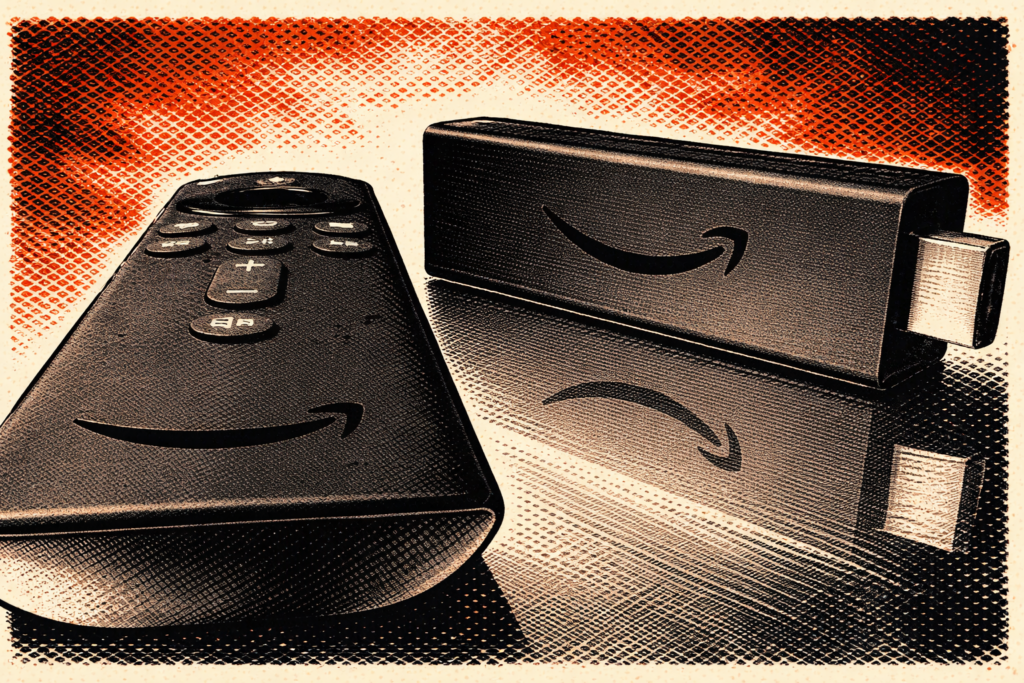
Amazon Fire TV Stick Class Action Alleges Devices Unusable After Support Ended
Amazon is facing a proposed class action lawsuit alleging that it effectively “bricked” older Fire TV Stick devices by discontinuing software support, rendering them slow, unreliable, or completely unusable. The lawsuit, filed in California, raises serious questions about consumer protection, planned obsolescence, and the responsibilities of tech companies in maintaining product functionality over time.
The complaint focuses on first- and second-generation Fire TV Stick devices, originally released in 2014 and 2016. These streaming devices were marketed as convenient tools for accessing content from platforms like Netflix and Amazon Prime Video, with promises of smooth and “instant” streaming performance. However, the lawsuit claims that Amazon later stopped providing critical software updates necessary to maintain these features.
According to the plaintiff, Bill Merewhuader, Amazon ended software support for first-generation devices in December 2022 and for second-generation devices in March 2023. After these updates stopped, many users reportedly experienced severe performance issues, including lag, buffering, app failures, and in some cases complete device failure—described in the lawsuit as “bricking.”
Importantly, the lawsuit argues that the hardware itself remained functional, but without ongoing software updates, the devices lost their core capabilities. This highlights a key issue in modern consumer technology: many devices rely heavily on software support to function properly, meaning that discontinuing updates can effectively shorten a product’s lifespan—even if the physical components are still intact.
The plaintiff also alleges that Amazon failed to adequately disclose that software support could be discontinued at any time. At the time of purchase, consumers were not warned that essential features might degrade or disappear, nor were they informed of how long the devices would be supported.
As a result, affected customers claim they were left with little choice but to purchase newer Fire TV Stick models to regain the same functionality. The lawsuit characterizes this as a form of deceptive business practice, suggesting that Amazon may have intentionally or knowingly allowed older devices to degrade in order to drive sales of newer products.
The legal claims include allegations of false advertising, unfair competition, and violations of consumer protection laws. Plaintiffs argue that Amazon’s marketing created the expectation that the devices would continue to function as advertised, and that the company breached this expectation by failing to maintain necessary software support.

The lawsuit seeks class action status, meaning it could potentially represent a large number of consumers across the United States who purchased affected Fire TV Stick models. If certified, the case could result in significant financial liability for Amazon, including damages, refunds, and restitution for impacted customers. Plaintiffs are also seeking injunctive relief, which could require Amazon to change its practices—such as providing clearer disclosures about software support or extending support periods for devices.
Amazon has not publicly responded in detail to the allegations, and the case remains in its early stages. As with many class action lawsuits, it will likely take months or years to resolve, and the outcome is uncertain.
Beyond this specific case, the lawsuit reflects a broader trend of increasing scrutiny over how tech companies manage product lifecycles. Regulators and consumer advocates have raised concerns about “planned obsolescence,” where products are designed or managed in ways that encourage frequent replacement. The issue is particularly relevant in the digital age, where software updates play a critical role in maintaining device functionality.
If successful, the lawsuit could set an important precedent for how companies disclose software support timelines and how they are held accountable when products lose functionality due to discontinued updates. It may also influence future regulations requiring greater transparency and consumer protections in the tech industry.
Ultimately, the case highlights a growing tension between innovation, business strategy, and consumer rights—raising the question of whether companies should be required to ensure that products remain usable for a reasonable period after purchase.

⚖️ Key Legal Outcomes
- A class action lawsuit alleges Amazon “bricked” older Fire TV Stick devices by ending software support.
- Plaintiffs claim Amazon engaged in deceptive and unfair business practices.
- The lawsuit seeks nationwide class action status and financial damages.
- Claims include false advertising and failure to disclose product limitations.
- The case could lead to policy changes on software support transparency.
📌 Why It Matters
- Raises concerns about planned obsolescence in tech products.
- Highlights importance of clear disclosure on software support lifespan.
- Could strengthen consumer protection laws for digital devices.
- Impacts how companies manage updates and product lifecycles.
- May set precedent affecting future lawsuits against tech companies.
