
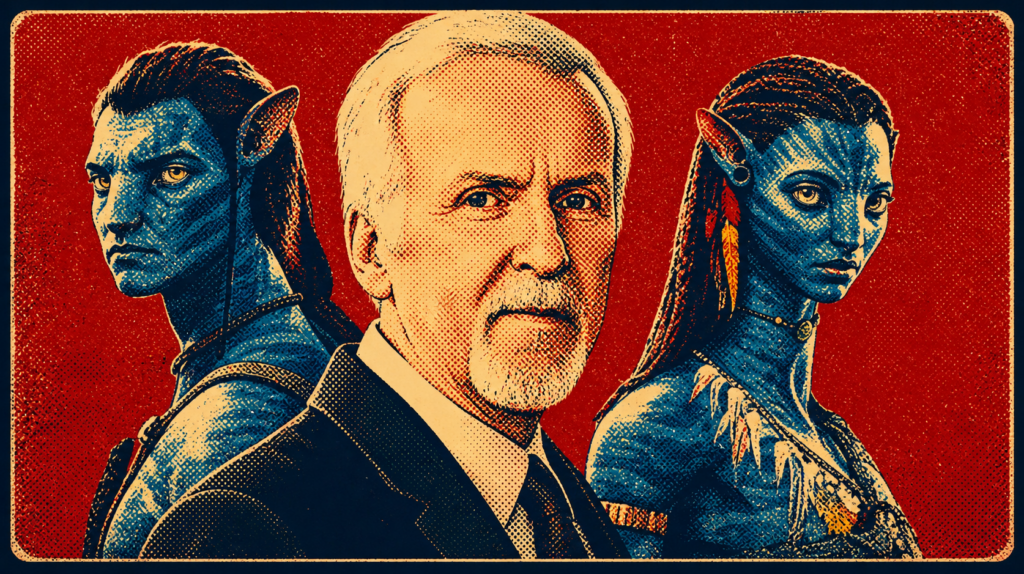
James Cameron Faces Likeness Lawsuit
A new legal dispute has emerged in Hollywood as filmmaker James Cameron and major studios behind the “Avatar” franchise face a lawsuit alleging unauthorized use of an actress’s likeness, raising fresh questions about image rights, digital replication technology, and consent in modern filmmaking.
According to the Bloomberg Law report, the lawsuit claims that elements of a female performer’s likeness were used in connection with the “Avatar” franchise without proper authorization or compensation. The case focuses on whether visual or digital representations used in film production can legally be considered a misuse of a person’s identity, even when modified or integrated into CGI-heavy environments.
The complaint argues that advanced digital tools used in modern filmmaking—particularly motion capture and CGI rendering—may have been used in a way that allegedly replicates aspects of the actress’s appearance or performance. The plaintiff contends that this use goes beyond acceptable creative adaptation and instead constitutes a violation of publicity and likeness rights.
James Cameron, known for pushing the boundaries of visual effects technology in films such as Avatar, has previously relied heavily on motion capture systems and digital character modeling to create realistic humanoid characters in fully CGI environments. These techniques, while widely accepted in the industry, have also raised ongoing legal and ethical debates about ownership of digital likenesses and the extent of actor consent.
Legal experts note that cases like this sit at the intersection of intellectual property law, right of publicity statutes, and evolving digital media rights. The right of publicity generally protects individuals from unauthorized commercial use of their name, image, or likeness. However, applying these protections to digitally altered or partially synthesized performances is increasingly complex.
A key legal question in the case is whether the alleged use of likeness is recognizable enough to constitute a legal violation. Courts often evaluate whether an “ordinary observer” would identify the plaintiff in the depiction, even if the image has been modified or incorporated into a fictional character. If the likeness is deemed too abstract or transformed, it may fall outside legal protection.
The lawsuit also reflects growing industry tension over AI-driven and digital character generation technologies, which have expanded rapidly in recent years. While Avatar primarily relies on motion capture rather than fully AI-generated faces, the broader trend of digital replication has prompted actors and unions to demand stronger protections and clearer consent frameworks.

Hollywood has already seen increasing negotiations around digital likeness rights in contracts, especially following concerns that studios could reuse or replicate performers indefinitely using archived digital scans. This case adds to that broader conversation by testing how far courts are willing to extend traditional likeness protections into high-budget visual effects environments.
James Cameron and the studios involved have not publicly admitted any wrongdoing. In similar cases in the past, courts have often scrutinized whether alleged likeness use was transformative enough to qualify as protected creative expression under the First Amendment, especially in film and entertainment contexts.
Previous legal disputes involving Avatar have primarily focused on copyright claims—many of which have been dismissed or ruled in favor of Cameron and the studios. However, this case differs in that it centers on personality rights and identity usage rather than story or plot infringement.
If the lawsuit proceeds, it could set an important precedent for how courts handle claims involving digital replication of human features in blockbuster filmmaking. A ruling against the studio could lead to stricter requirements for consent and compensation when using real-world likenesses in CGI-heavy productions.
At the same time, a dismissal could reinforce the entertainment industry’s ability to use transformative digital techniques without additional licensing obligations, provided the final character is sufficiently fictionalized.
Overall, the case highlights the evolving legal landscape of modern cinema, where the line between performance, digital enhancement, and identity rights is becoming increasingly blurred.

⚖️ Key Legal Outcome
- Lawsuit alleges unauthorized use of actress’s likeness in “Avatar” production context.
- Focus is on right of publicity and identity misuse claims, not storyline copyright.
- Plaintiff argues digital/CGI techniques may have replicated recognizable features.
- Case tests whether modified likeness qualifies as legally protected identity.
- No ruling yet; case is in early litigation stage.
📌 Why It Matters
- Could reshape legal rules around digital likeness and motion capture use.
- Impacts how actors’ identities are protected in CGI-heavy films.
- Raises consent issues for future AI and digital replication in Hollywood.
- May influence contract standards for performers in major studios.
- Sets precedent for balancing creative expression vs personal identity rights.
