
Prosecutors suddenly drop case against Miami attorney accused of bribing DEA agents
On August 28, 2025, prosecutors unexpectedly announced that they would drop criminal charges against David Macey, a prominent Miami defense attorney previously accused of orchestrating a bribery conspiracy involving two former DEA supervisors. According to the terms of a deferred prosecution agreement, if Macey avoids further legal trouble for one year, the charges—including allegations of leaking sensitive law enforcement information—will be dismissed. This surprising development marks a dramatic shift in a high-profile, years-long corruption probe that already ensnared two former DEA agents.
The corruption investigation delved into Miami’s notorious “white powder bar”—a group of high-powered defense attorneys known for negotiating plea deals for Latin American drug traffickers. Macey, a former state prosecutor turned influential defense lawyer, was accused in February of offering gifts and payments—totaling around $73,000—to two former DEA supervisors (John Costanzo and Manny Recio). The alleged perks included sports tickets and a condo down payment, allegedly in exchange for confidential inside information about federal indictments and investigations.

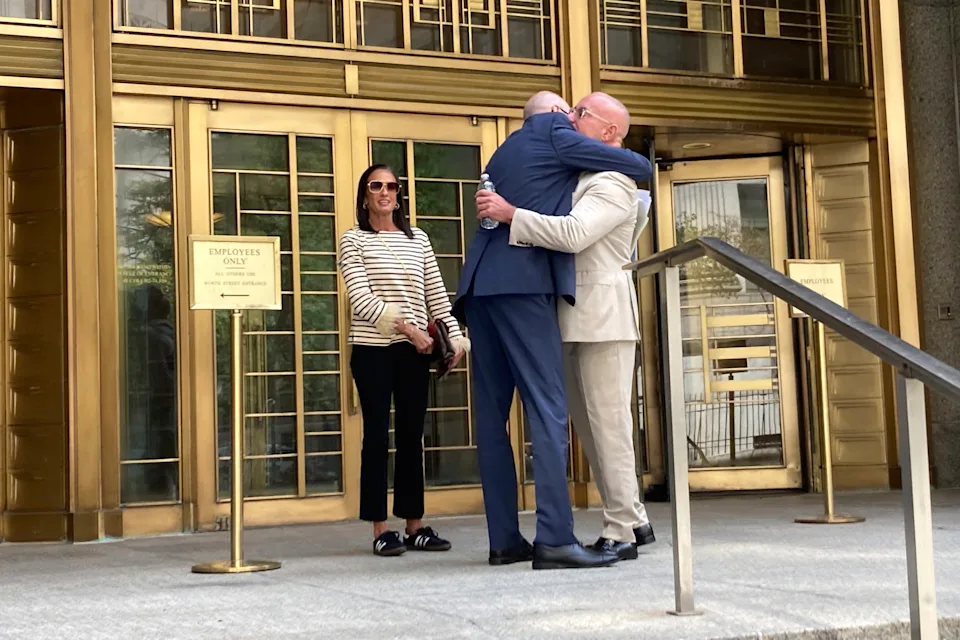
In court, Judge Jennifer H. Rearden characterized Macey’s outcome as an “extraordinary opportunity” facilitated in part by the strength of his legal team. Macey expressed elation following the announcement, calling the result “great” and acknowledging that pursuing justice through further prosecution might do more harm than good.
Investigators have declined to publicly explain the sudden reversal. Contributing factors may include the departure of the lead prosecutor, Sheb Swett, from the U.S. Attorney’s Office, and the indictment of a key informant in a related extortion case. Meanwhile, convictions of Costanzo and Recio—as well as an impending November trial against another DEA officer, Edwin Pagan—highlight the broader corruption entangling the agency.
Macey has consistently denied any wrongdoing, insisting the payments were rooted in friendship rather than manipulation. His lawyers highlighted the indictment lacked any explicit quid pro quo allegations. His acknowledgment of potential conflicts of interest was seen as a gesture of accountability. With the case dropped, this outcome may signal both judicial pragmatism and a recalibration of prosecutorial priorities in complex corruption investigations.

Why It Matters
-
Illuminates systemic corruption within the DEA and highlights vulnerabilities in law enforcement oversight.
-
Demonstrates prosecutorial discretion, showing that even high-stakes cases may be dropped based on practical considerations.
-
Reflects legal nuances, particularly the distinction between unethical behavior and provable criminal intent.
-
Raises issues of fairness and equity in the justice system—special treatment may be perceived for high-profile attorneys with robust defenses.
-
Signals challenges in multi-layered investigations, especially when informants and case leadership change during litigation.
Key Legal Outcomes
-
Case dropped via deferred prosecution agreement: Charges against David Macey will be dismissed after one year of clean behavior. AP News
-
Finding of conflict, not intent: Macey acknowledged potential conflicts of interest but maintained no criminal wrongdoing occurred. AP News
-
Convictions remain intact: Former DEA agents Costanzo and Recio have already been convicted and sentenced. AP News+2AP News+2
-
Investigation persists: Another DEA officer, Edwin Pagan, will stand trial in November on related charges. AP News
-
Lack of public rationale: Prosecutors declined to comment on why the case was dropped—a rare and opaque move. AP News
- Title: Prosecutors suddenly drop case against Miami attorney accused of bribing DEA agents
- Publication Date: August 28, 2025
- Source: AP News
